When worlds collapse
I thought it might be interesting to record a travelogue of what is on one’s mind to go along with the photography. First topic I thought I’d share is Incan stone masonry and the modern ‘Mystery Economy’. This whole subject has been frustrating me somewhat as we travel the Peruvian archaeological sites and I learn more about their disposition, and see the constructions up close and in context.
Travelling in the Peruvian Andes, encountering the remains of the Incan empire, one quickly notices that the famous Incan stone masonry is precise but not performative. The stones sit in walls and terraces with a quiet assurance, shaped and positioned with care but without any sense of inexplicability once one appreciates the elevated, earthquake-prone setting in which they’re located. Their tight joints and careful alignments are impressive, but they exude effort, not impossibility. If anything feels mysterious now, the feeling comes not from the stones but from the distance between their world and ours. The masonry has become unfamiliar not because the Incas lacked plausible methods, but because the world that made those methods obvious no longer exists.
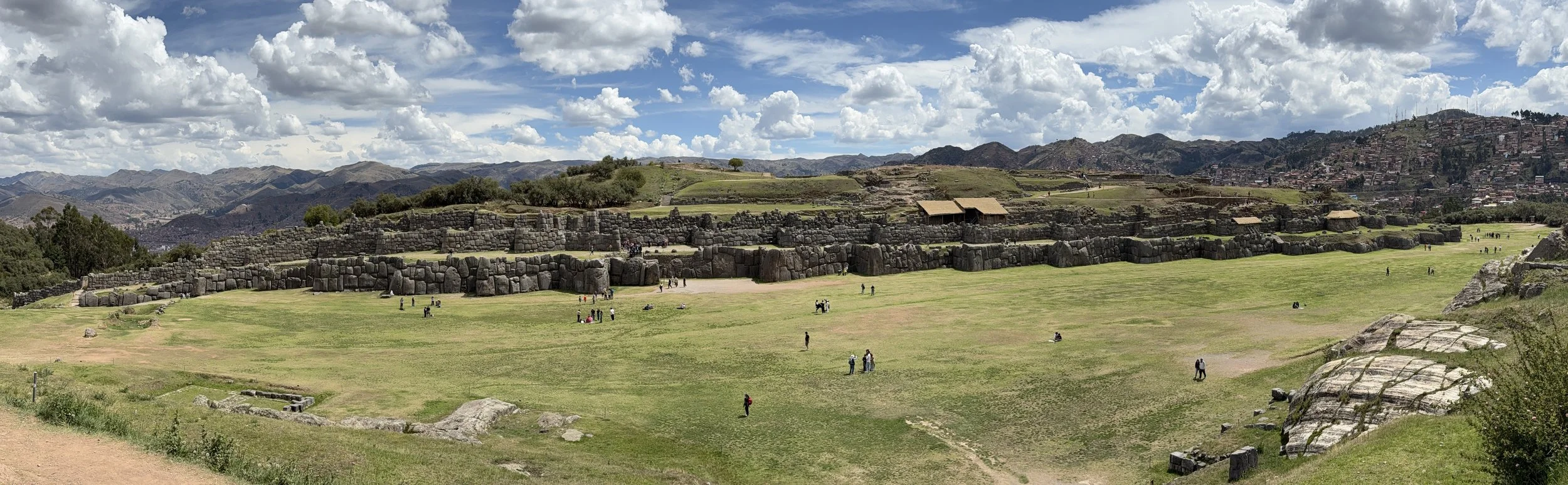
The fortress at Saqsaywaman, Cusco
Heidegger observed that tools withdraw in use. Once a practice is fully embedded in its world, the implements involved lose their objecthood and flow into action. An Inca block being dragged up a mountainside is not a marvel; it was product of a coordinated sequence of labour, obligation, and expertise. Only after that world collapsed — abruptly, violently, and with immense demographic loss — did the stones become ‘problematic’, detached from the equipmental totality that once made them clear. The mystery we inherit is less an ancient enigma than a modern estrangement that sadly offers sufficient open space - for those unprepared to learn more - to invite exploitation and appropriation.
This becomes evident at Ollantaytambo, where the entire chain of stone production still lies scattered across the landscape. The quarry at Kachiqhata shows scars from hammerstone extraction, partially detached blocks, and bosses deliberately left for levering and gripping. Further downslope, the “tired stones” remain where hauling teams lost control. Their rectangular notches, cut into the short edge of the stone, match exactly the timber crossbeam of a wooden sledge. The path they followed — steep, narrow, interrupted by switchbacks — still bears the marks of attempted progress: stones that slipped, stones that shattered, stones that made it partway and went no further.
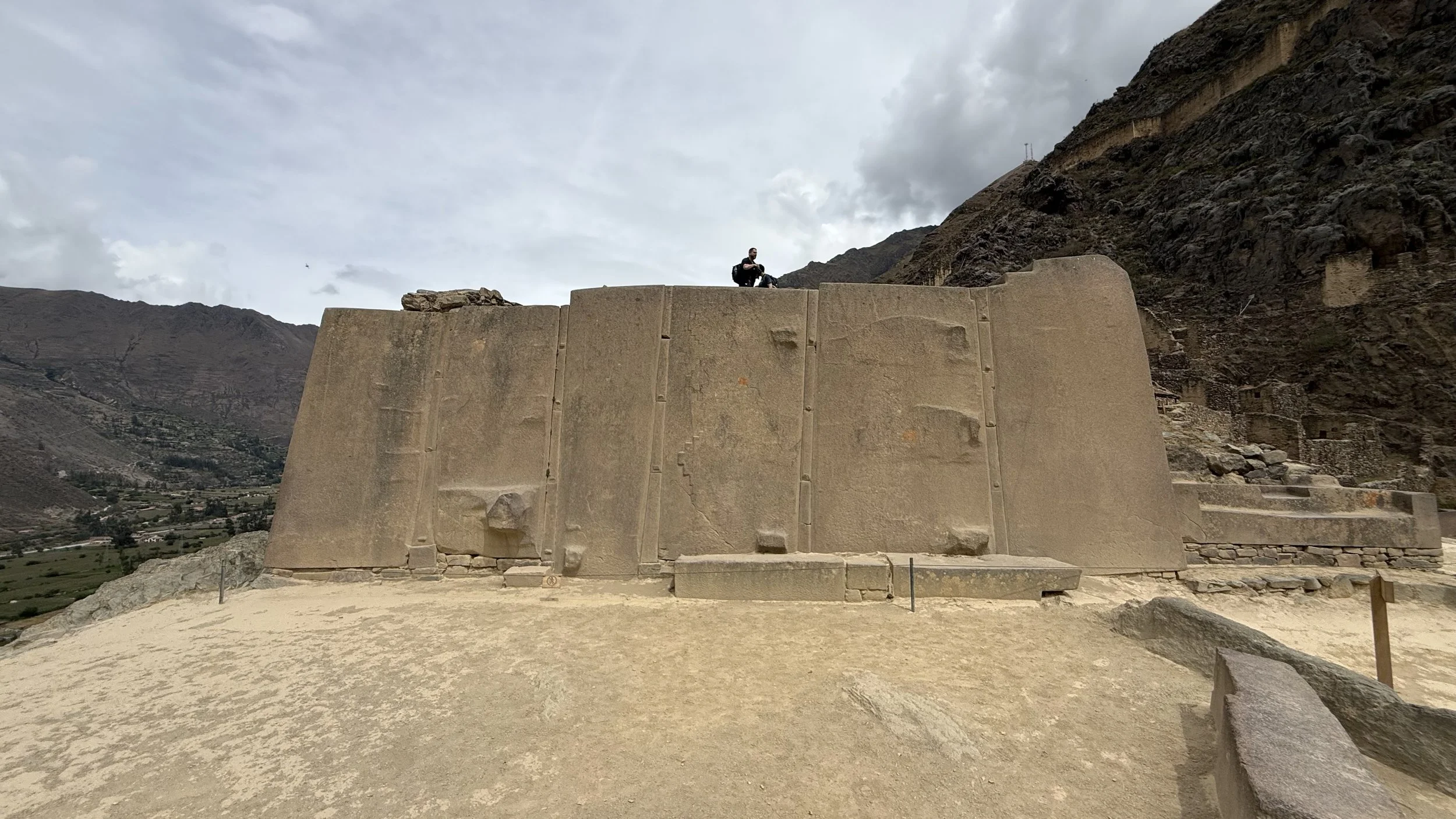
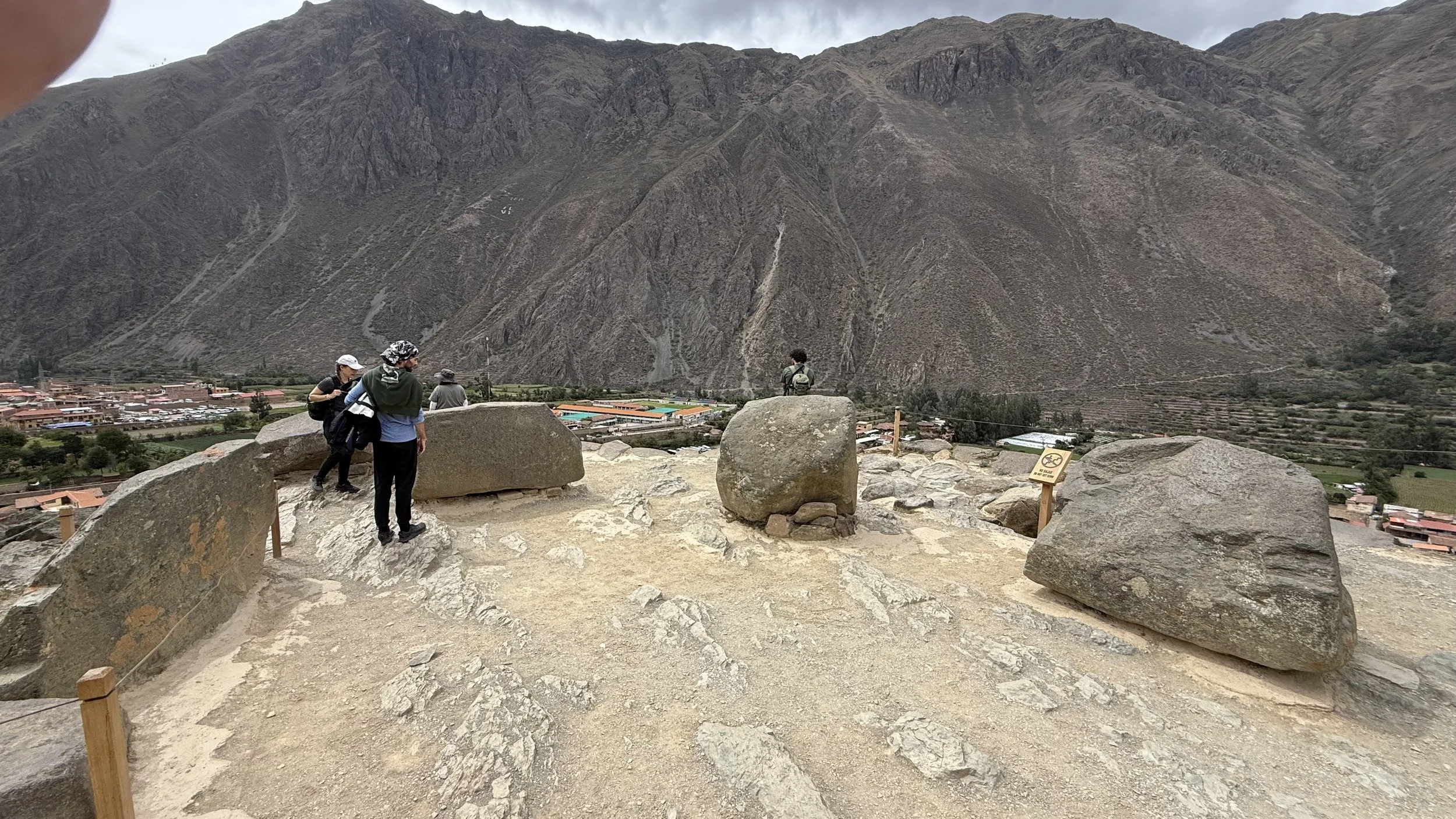
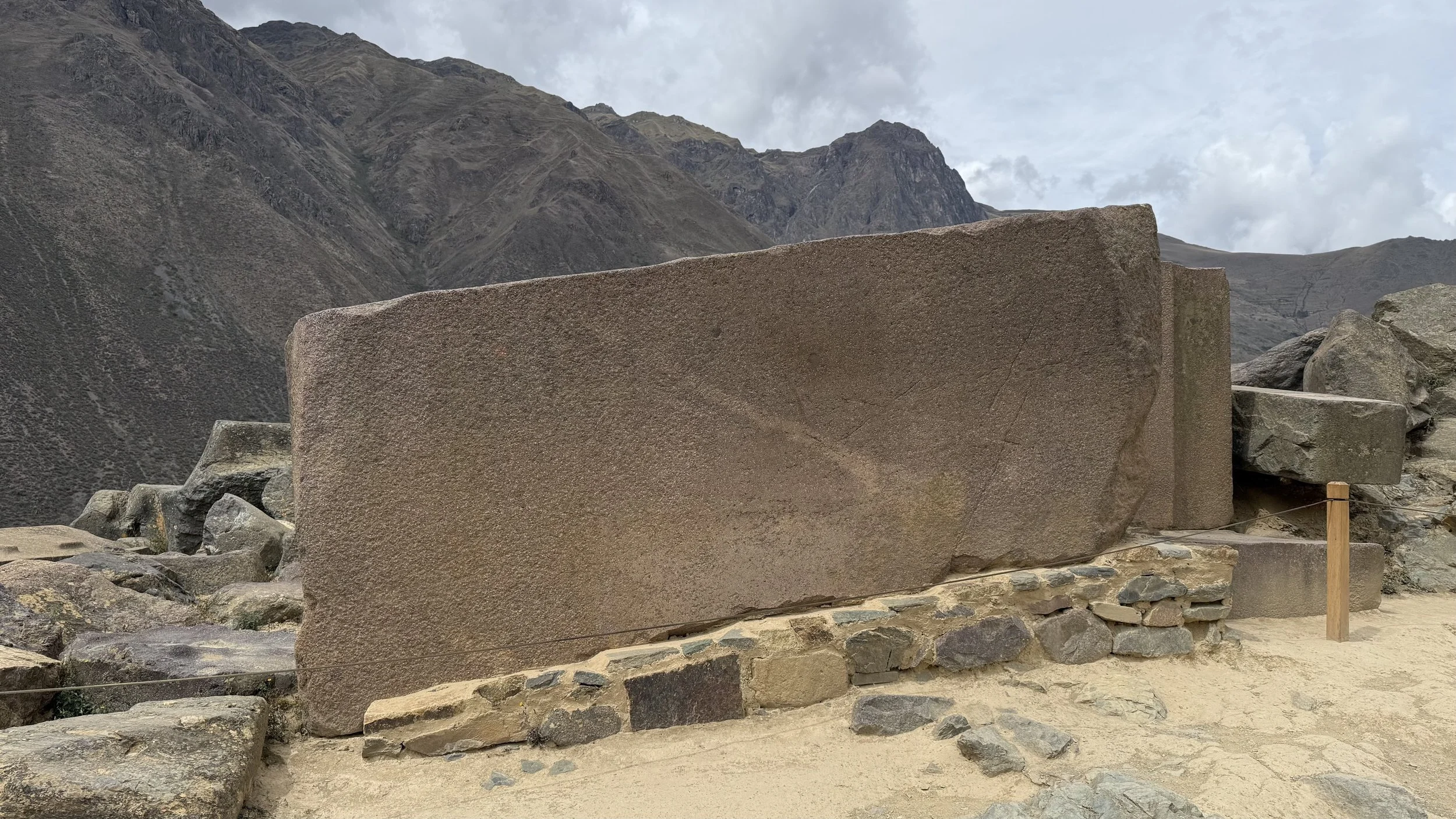
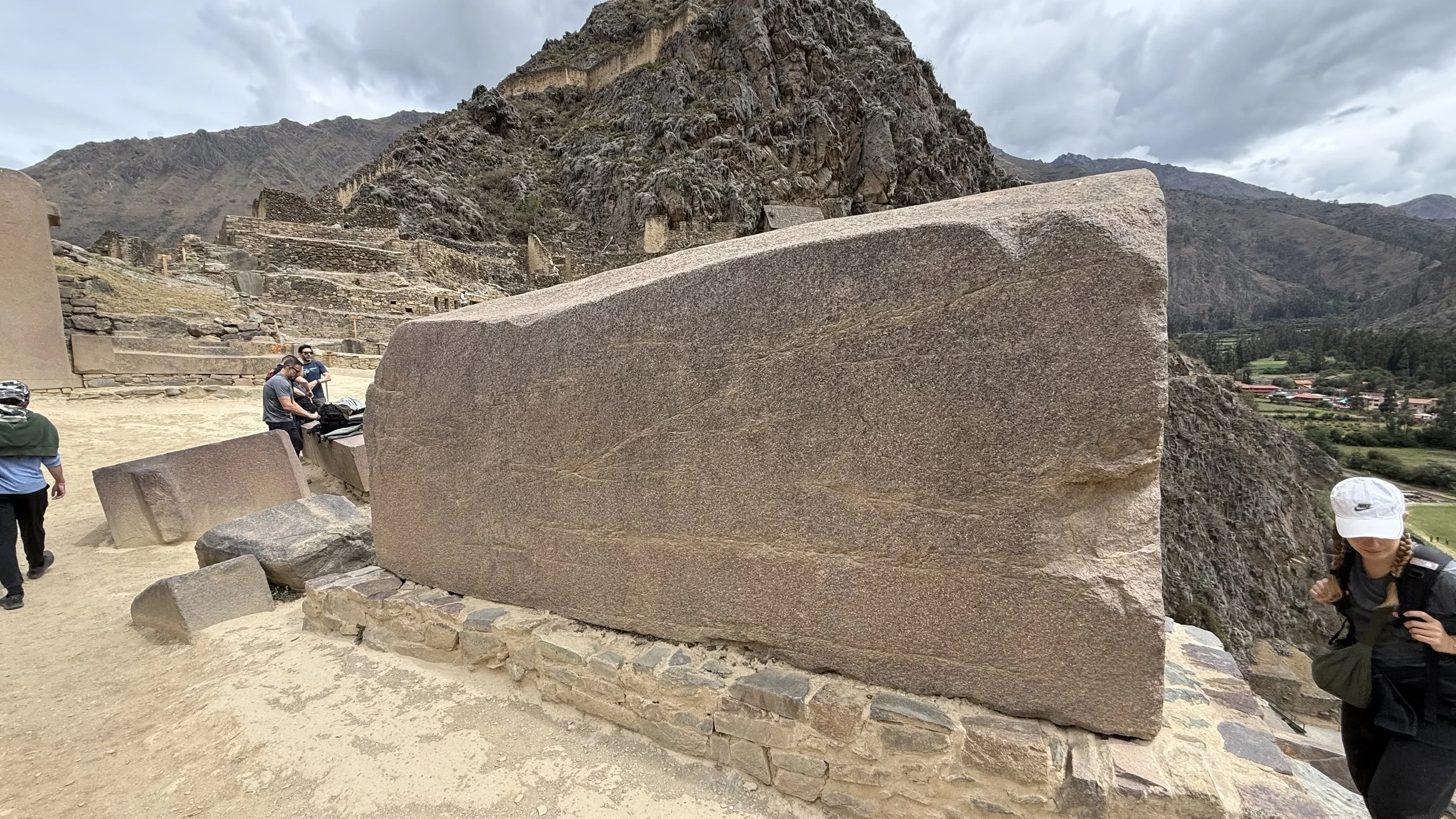
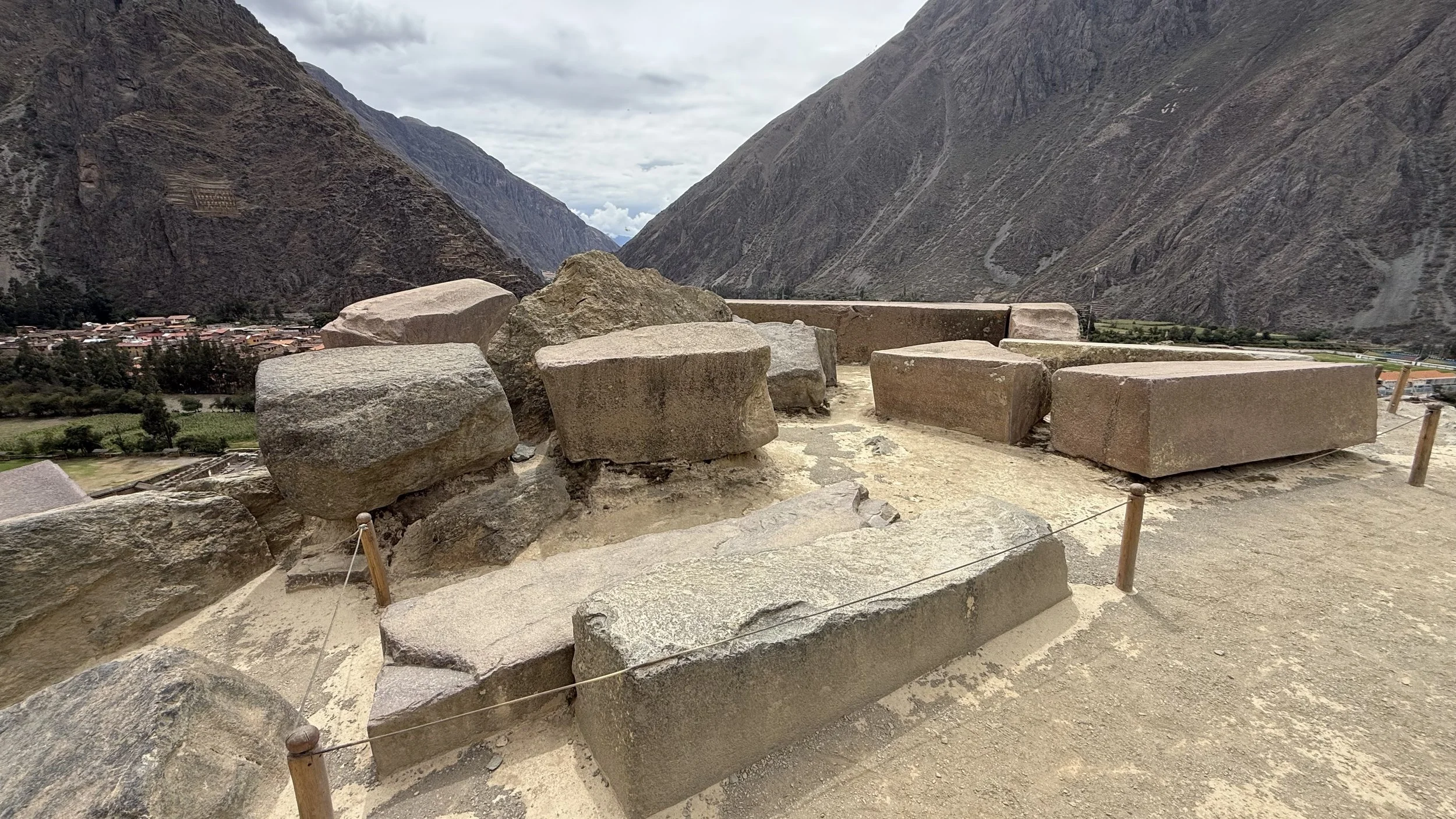
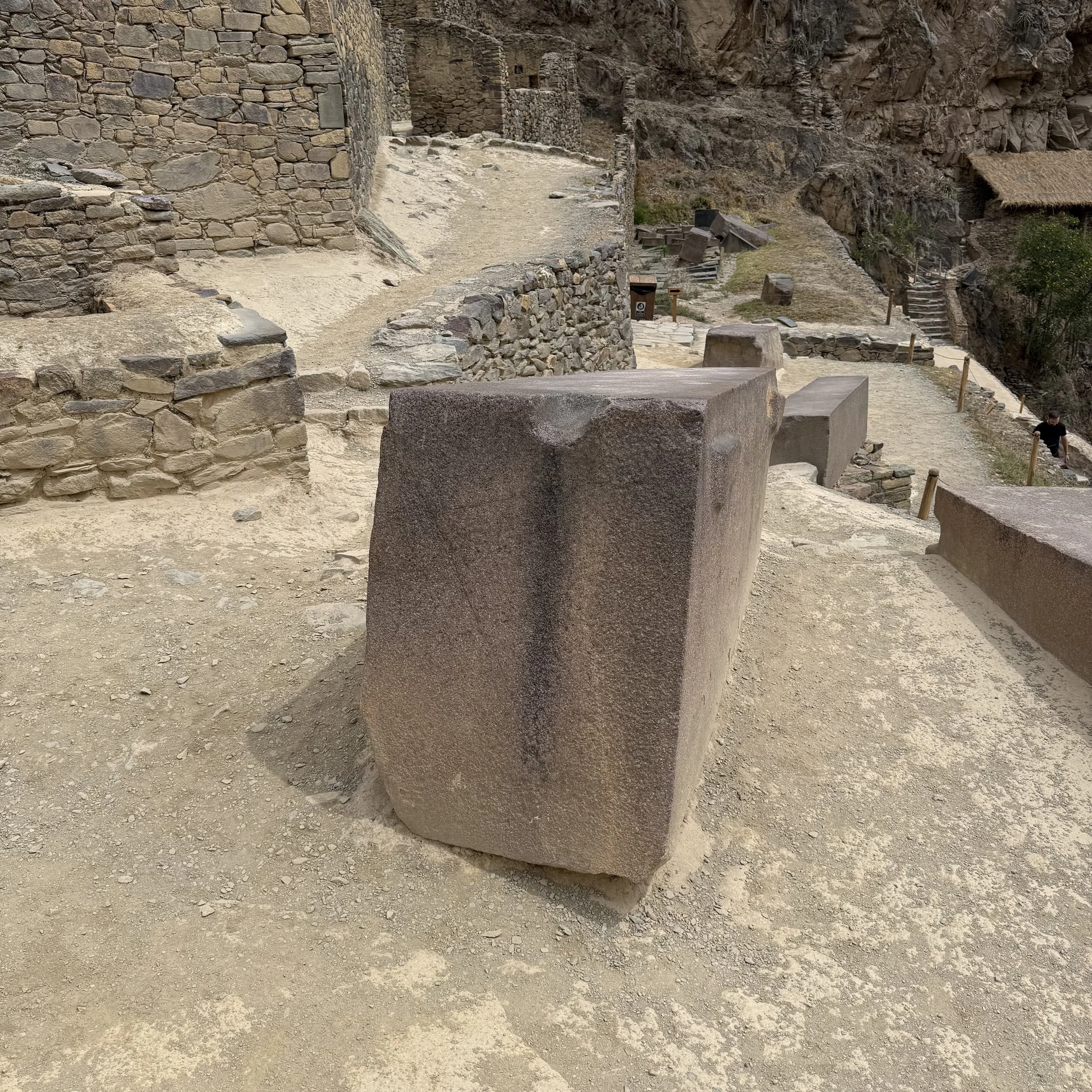
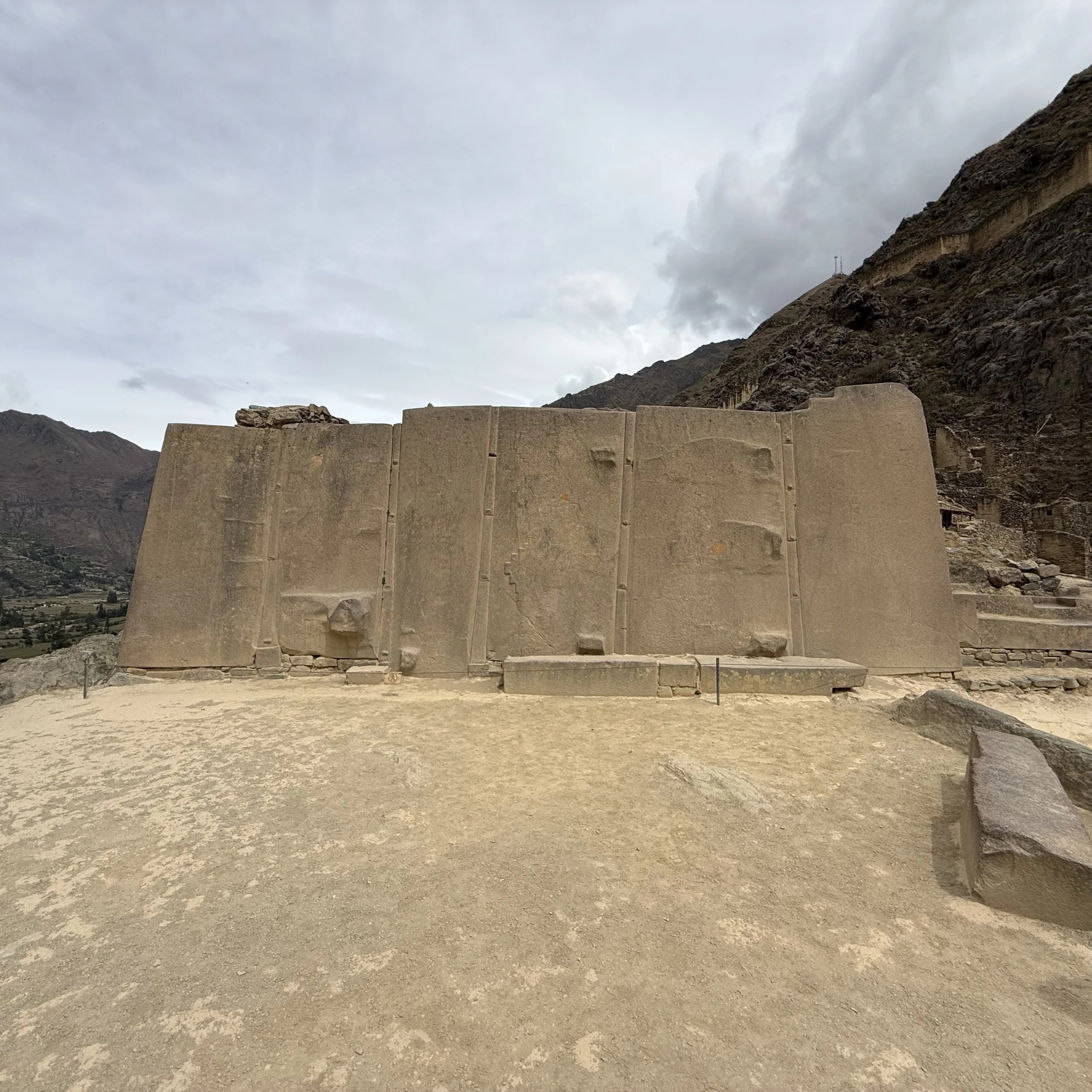
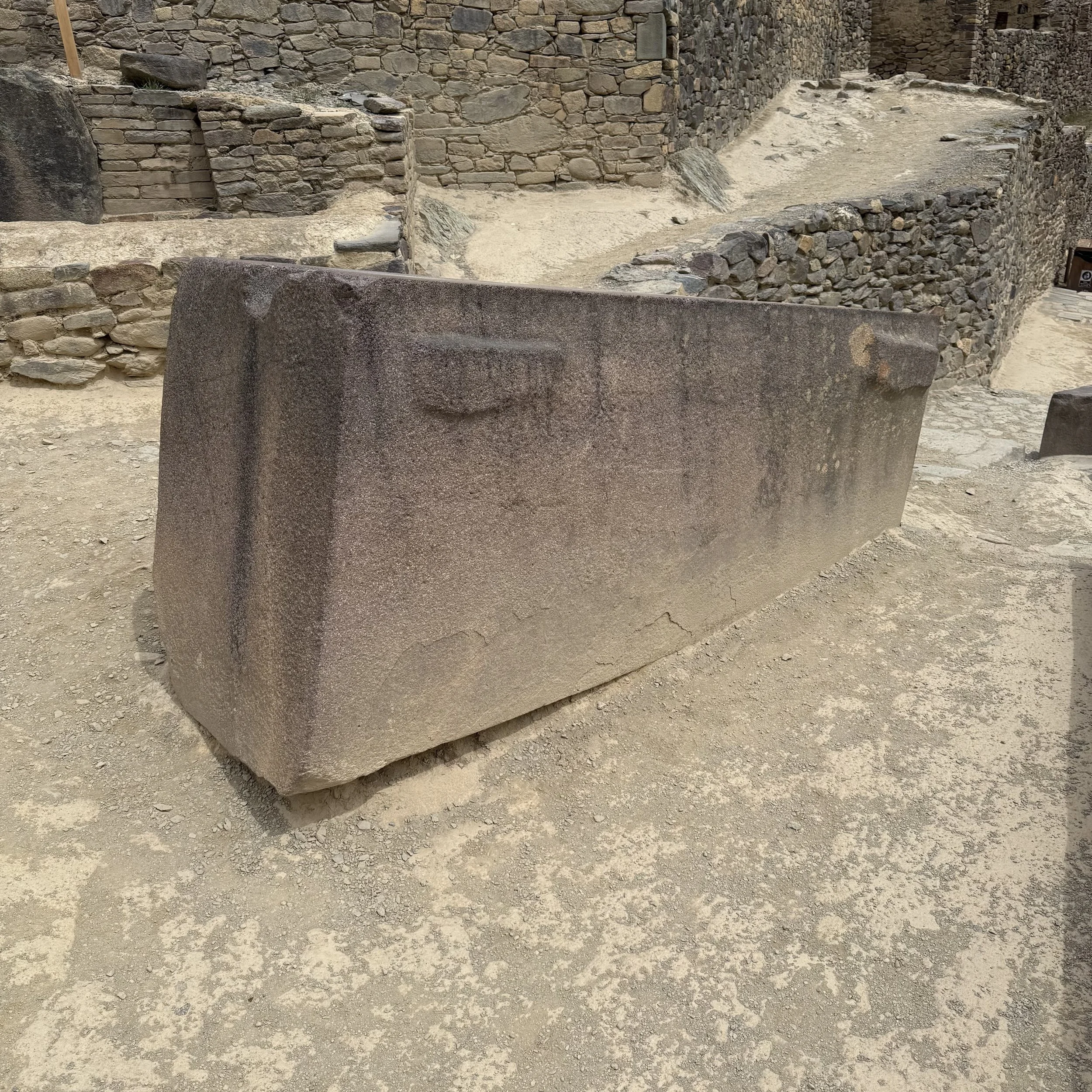
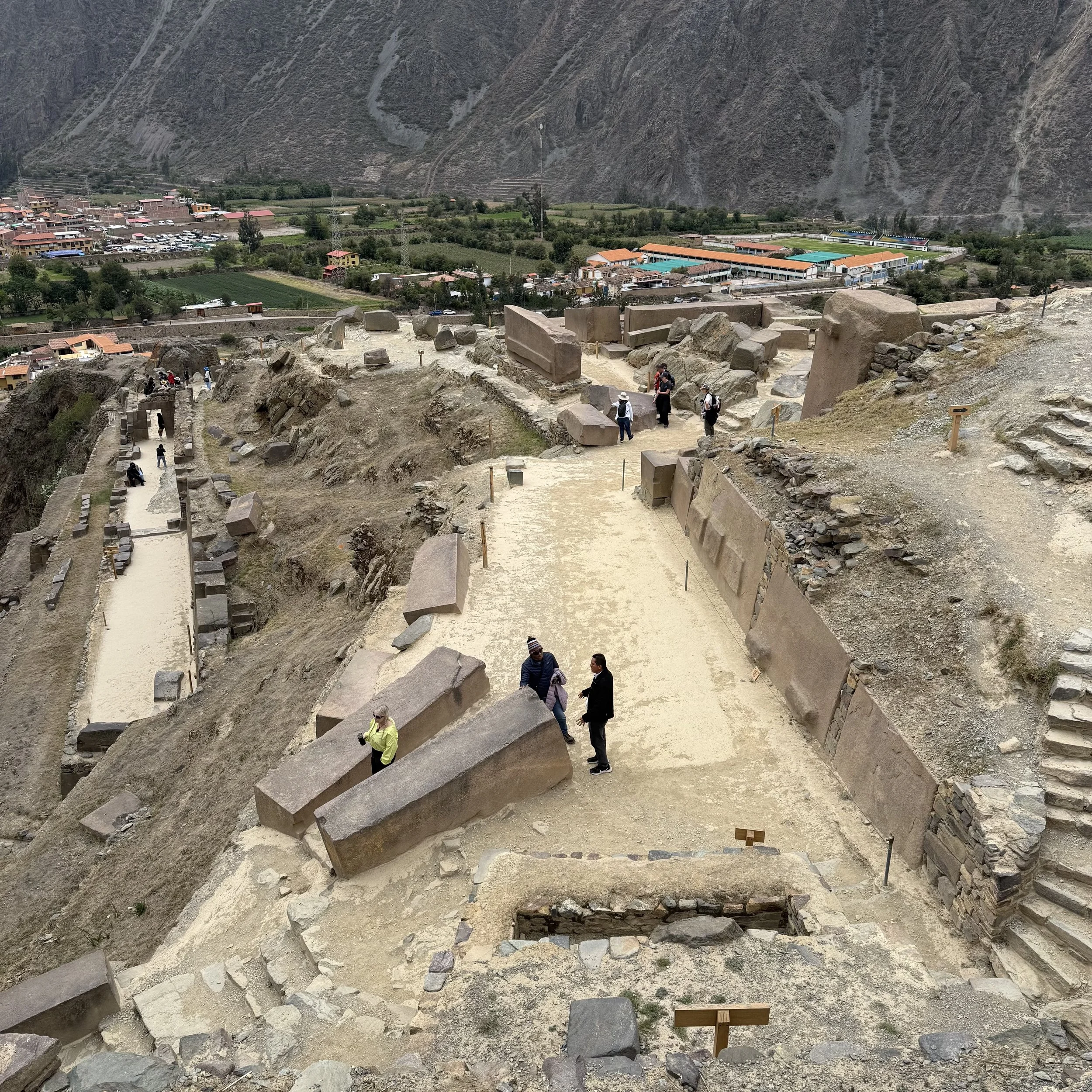
Nothing here is cryptic. The sequence is visible to anyone willing to walk it and familiar with commanding effort: quarrying, rough shaping, sledge preparation, hauling, adjustment, setting, finishing. The stones tell a straightforward story of labour, risk, and coordination. What they do not tell are the fantasies projected onto them by the modern mystery economy, which thrives on severing objects from the worlds that produced them to sacrifice on an altar of conspirational storytelling.
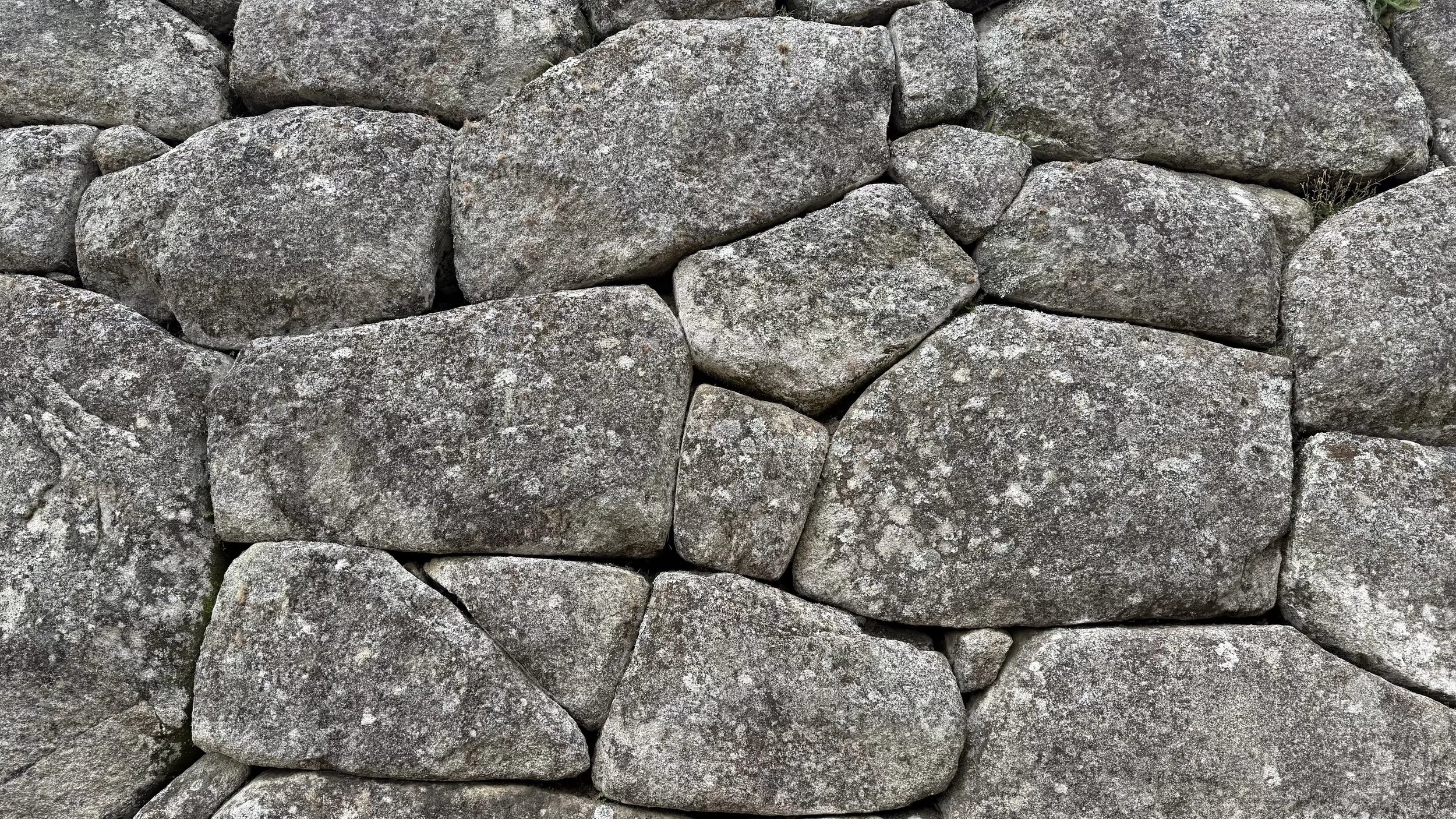
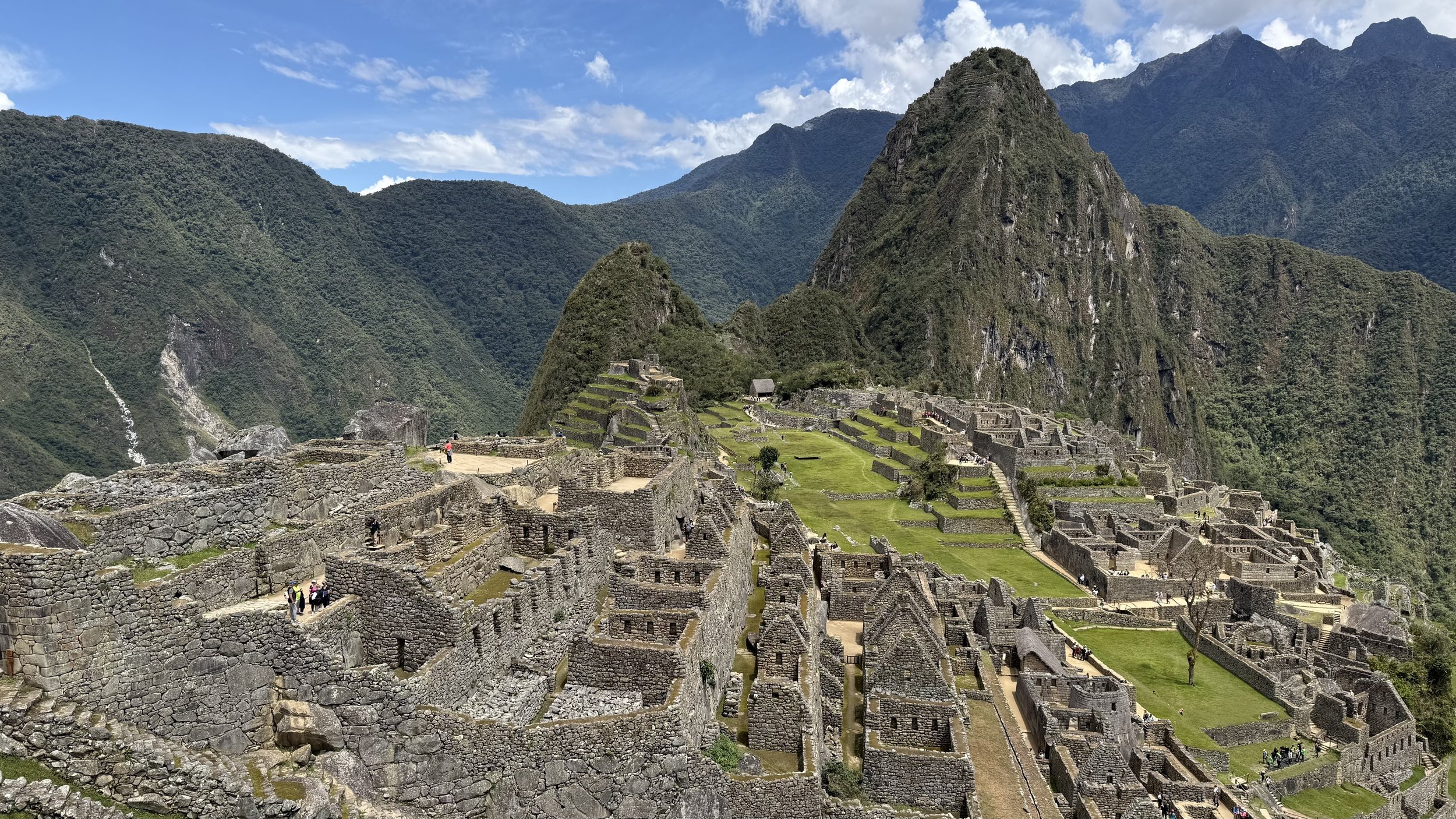
Intermediate masonry at Machu Picchu
The operational feasibility of these feats does not require unusual speculation. The largest monoliths at Temple Hill weigh between eighty and one hundred tons — large, but not outside the capacity of an organised imperial labour force. In 1994, a community team in Ollantaytambo moved a fourteen-ton block using traditional methods with 184 pullers: roughly thirteen people per ton. Scaling that ratio gives a workforce of around a thousand to thirteen hundred pullers for the largest stones. The physics confirms this range. The force required to drag a one-hundred-ton stone on a wet earthen haul path falls well within what a thousand coordinated workers can sustain. The Incas routinely mobilised labour groups of this magnitude; nothing here outstrips their administrative or logistical capacity.
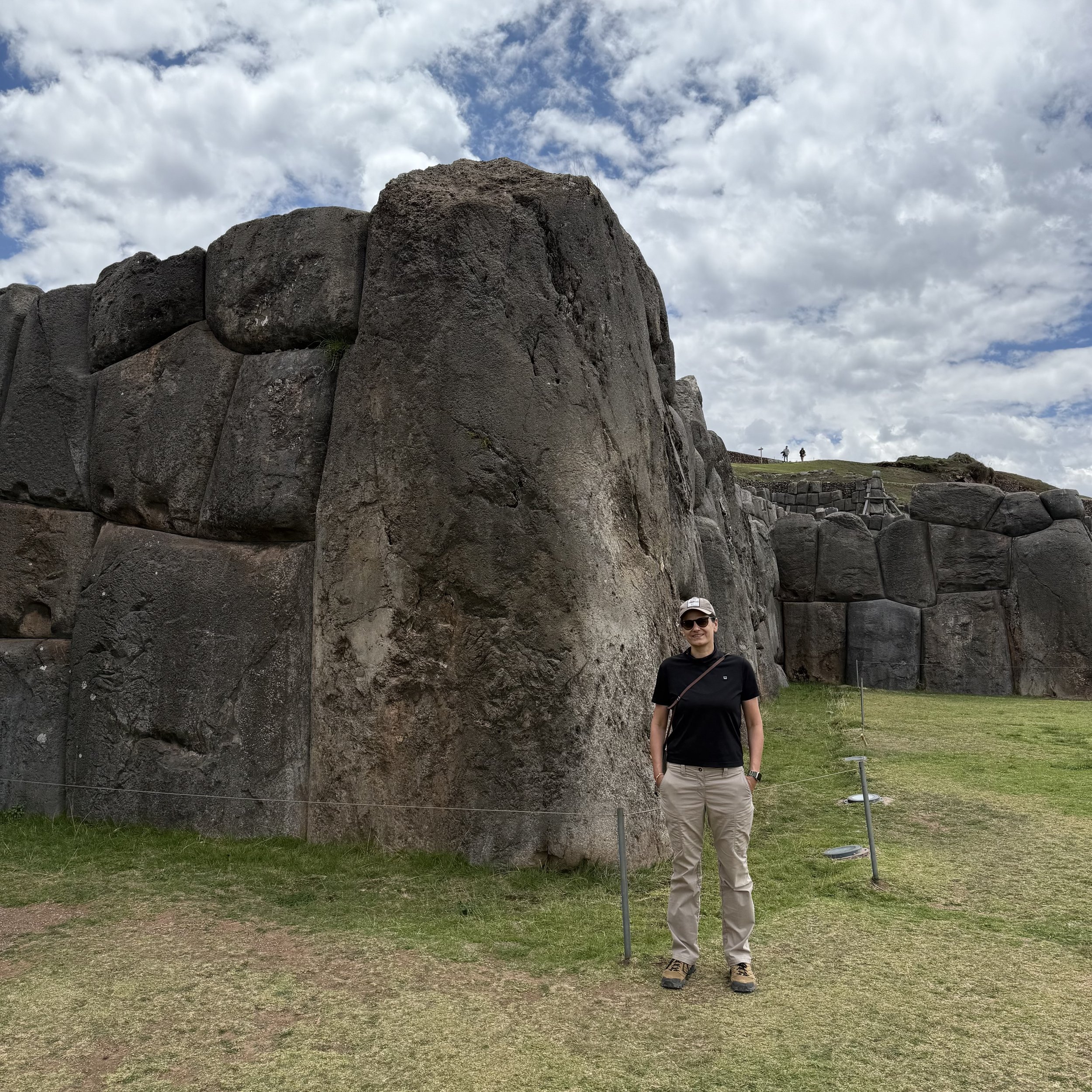
Peak scale and precision at Sacsaywaman
The numbers align neatly with the realities of empire. The Incas commanded the mit’a system, a rotational labour levy integrated into social, ecological, and political life. A thousand people hauling a stone was not an exception — it was precisely the kind of collective work the imperial system was built to mobilise.
This “world of work” becomes even clearer when you turn to the early chroniclers, who wrote not centuries after, but within living memory of the construction methods. Cieza de León describes the stones hauled “con grandes cuerdas”—with great cables—and “puesto sobre maderos”—set upon timbers. He reports squads working under overseers who called out “tirar” and “parar” to synchronise movement. He notes accidents when massive blocks slipped from control and killed nearby workers. Betanzos confirms the same process, adding the detail of men moving ahead “echando agua por donde había de andar la piedra” — wetting the ground to reduce friction. Neither chronicler suggests exotic technology. The picture is consistent: timber sledges, lever guidance, coordinated pull teams, risk, loss, repetition.
Garcilaso de la Vega adds an element that sits comfortably with the practical demands of hauling: rhythmic chanting. He describes large work groups using songs to maintain timing and synchronise force. He gives no melody or lyrics — only the functional purpose. Modern Andean ethnography confirms that coordinated rhythmic labour persisted for centuries: agricultural collectives, irrigation crews, bridge builders. The rhythm solves a basic mechanical problem: distribute force evenly across hundreds of bodies, reduce slack in the ropes, prevent surges, minimise the chance of catastrophic failure. It is engineering by way of embodied practice.
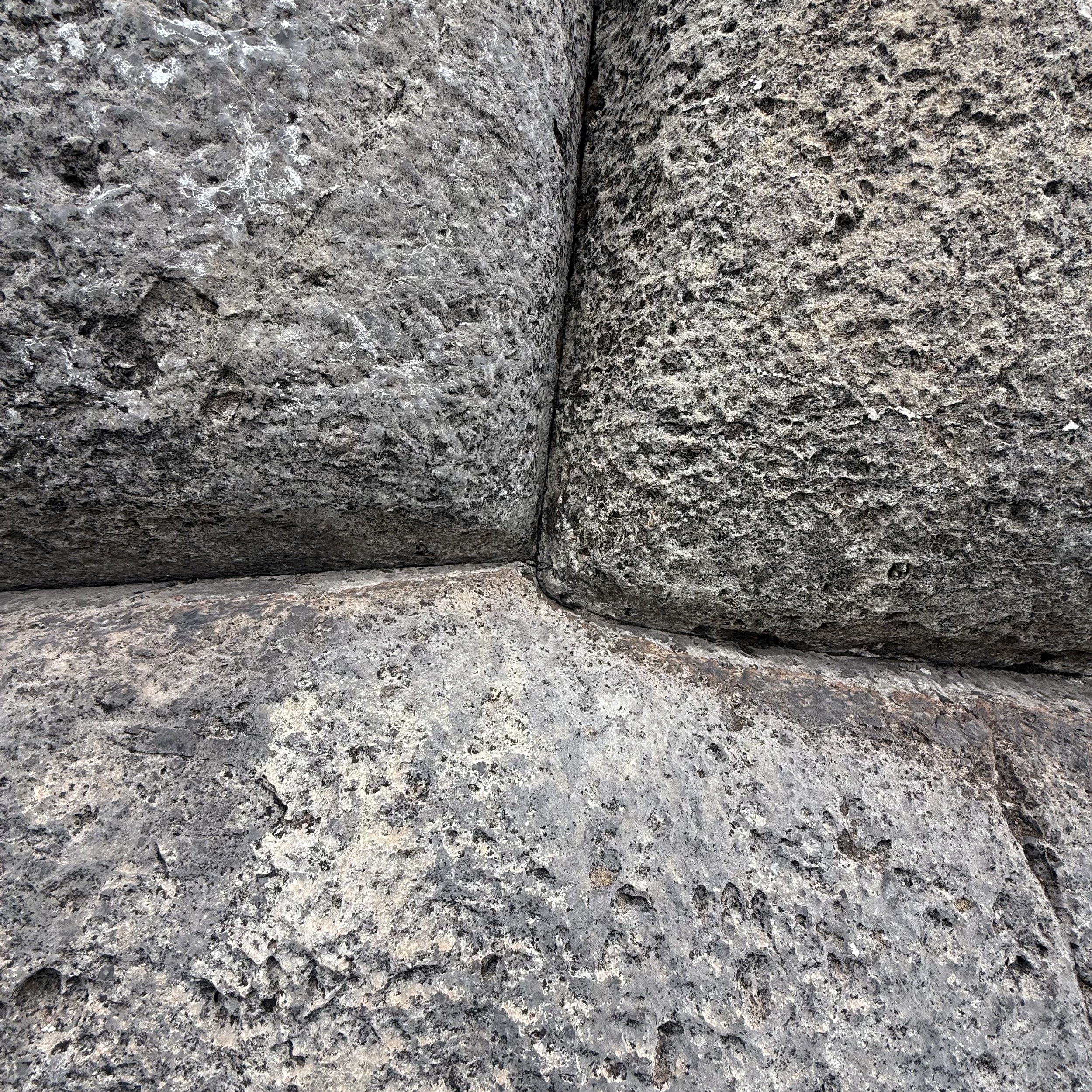
A monument of what can be achieved with time, manpower and attention
The disappearance of the Inca world has left an interpretive void into which modern myths easily pour. In that vacuum a mystery economy has taken shape, repackaging the stones as if they were cryptic artefacts awaiting decoding. Their material clarity becomes a narrative resource: every tight joint is recast as evidence of lost technology, every unfinished block a riddle, every quarry scar an invitation to speculation. The pattern is familiar. When objects are wrenched from the practices that once disclosed them, they become susceptible to whatever meanings the present wishes to impose.
What troubles me is not simply the inaccuracy of these claims but the way they trade on a patrimony that is not theirs. Peru’s heritage is conscripted into a global counter-culture of conspiratorial aesthetics, where misunderstanding is marketed as insight and Indigenous ingenuity is quietly displaced by fantasies of outsiders, extraterrestrials, or vanished civilisations. It is an extraction of a different kind: lifting the stones once again, not from mountainsides but from their history, and delivering them into a marketplace that rewards mystery over truth. None of this is necessary. The reality — the actual human effort, coordination, and embodied skill — is more impressive than the myths. But the world that recognised this work has vanished, and in its absence the stones have become screens for projection. The tragedy is that the real achievement becomes harder to see, hidden behind the spectacle of the imagined one.
If the process was once so clear and, in its own context, so ordinary, the question becomes why it vanished so thoroughly that later generations encountered only the stones, without the world that shaped them. The answer lies in a rupture far more devastating than conquest. Smallpox entered the Andes around 1524–26, carried ahead of the Spaniards by trade and messenger routes. Within a few years the demographic shock was catastrophic: some regions lost half or more of their population. Among the dead were not only labourers but the skilled supervisors, the rope-makers, the quarry specialists, the singers who held the rhythm of collective effort, and the elders who preserved the tacit judgement required to read stone fractures and terrain. This was not a gradual erosion of knowledge; it was an abrupt severing of the very world in which that knowledge lived.
The Spanish arrived in 1532 not to conquer a stable empire but to walk into the hollowed-out shell of one. Civil war raged between Huáscar and Atahualpa; administrative capacity had collapsed; the mit’a system was disrupted; whole networks of embodied skill had been extinguished. In such a vacuum, even practices that had once been obvious became untethered. The stones remained, but the world that made them intelligible had ended.
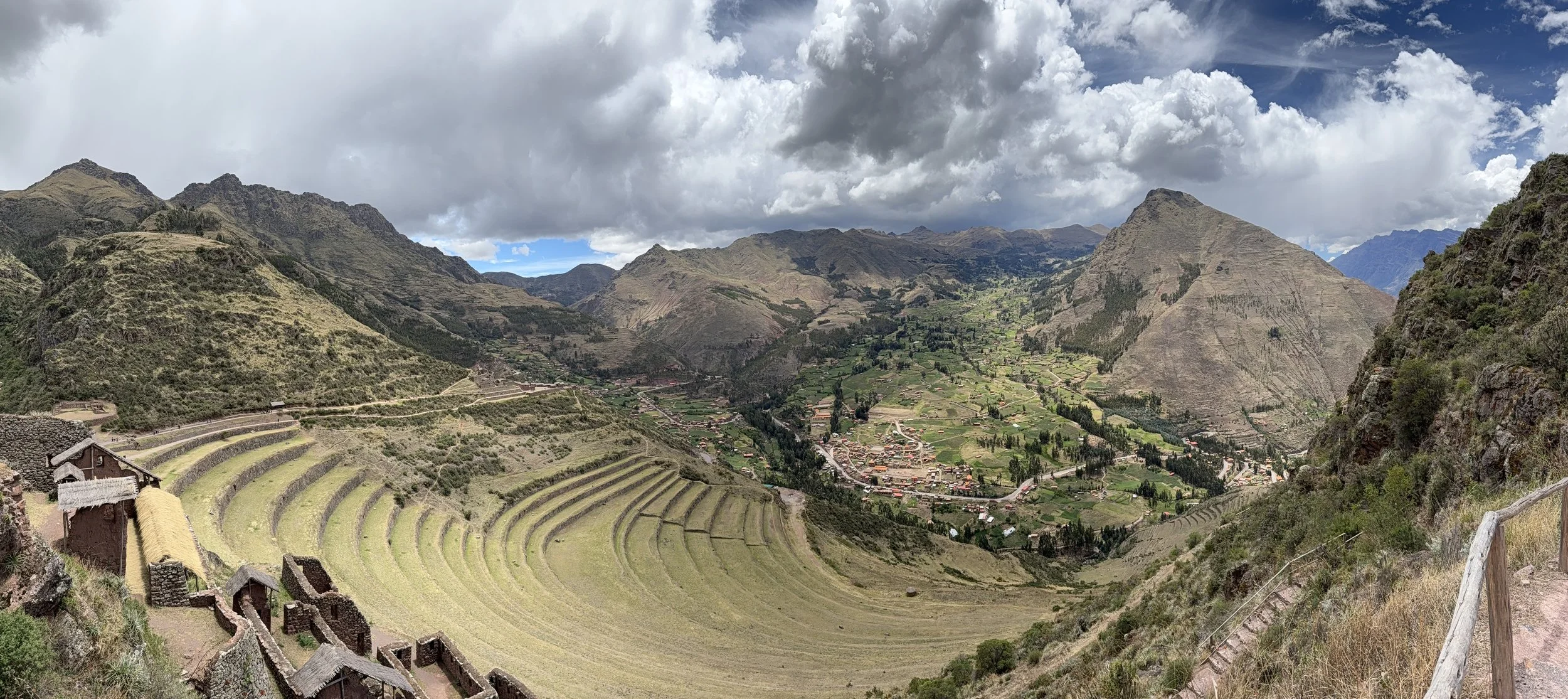
If God is in the mountain, is every shaped stone a prayer? Each perfect facet, communion?
In Heidegger’s terms, the stones shifted from being ready-to-hand components of a functioning world to present-at-hand objects demanding explanation. Into that interpretive vacuum stepped the colonial chroniclers, the antiquarian imaginations of the 19th century, and the modern storytellers of conspiracy culture — each responding not to the stones themselves but to the absence of the world that once disclosed them.
That is why the stones appear enigmatic today. It is not because the Incas concealed their knowledge or possessed impossible techniques. It is because we stand at a distance from the world that once wove those stones into a coherent field of labour, meaning, and obligation. When a world collapses, its practices collapse with it. What remains afterwards is material without context — the perfect breeding ground for mystery.
Yet the stones continue to speak plainly. Their bosses, their notches, their abandoned forms on the mountainside, the scars in the quarry, the finished joints on the terraces — all of it expresses a clear, comprehensible sequence of work. Their story has survived collapse, projection, and reinvention. What they ask from us is not wonder but attention.
The Incas did not leave a puzzle, they left evidence. We are the ones who forget how to see it.