Penguin colonies of the Antarctic Peninsula
Penguins are the most visible form of wildlife encountered along the Antarctic Peninsula, but they are not evenly distributed. Different species occupy distinct ecological niches, and their colonies reflect variations in sea ice, food availability, and terrain. During our time on the Peninsula, we visited several sites with established colonies, including Palaver Point, Cuverville Island, Danco Island, Port Charcot, Green Island, and Hovgaard Island. Across these locations, three species predominated: Chinstrap, Adélie, and Gentoo penguins.
Each species responds differently to environmental conditions, and their presence—or absence—at particular sites provides insight into broader ecological trends.
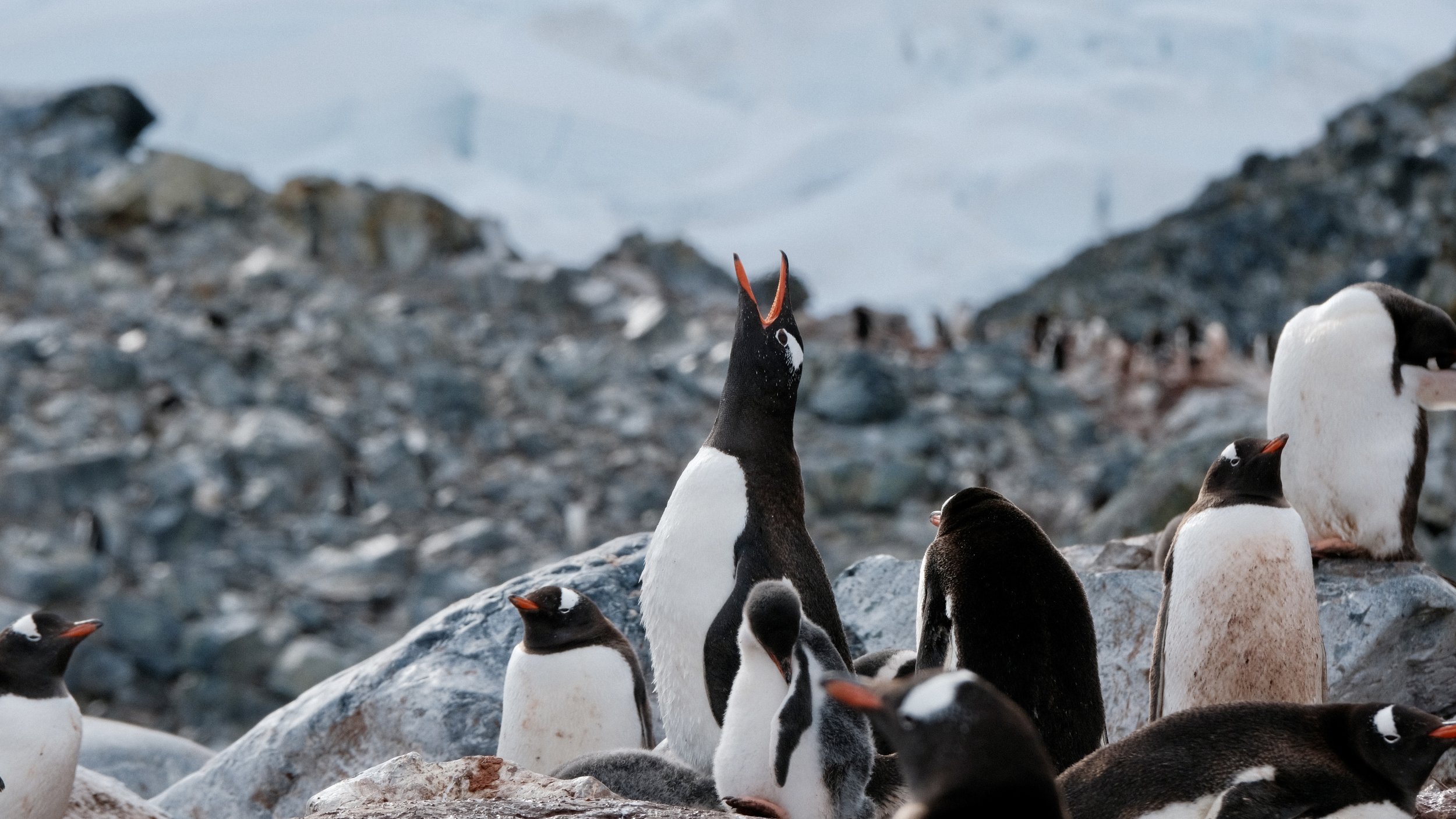
Chinstrap penguins were most commonly observed at Palaver Point and along exposed, rocky coastlines where snow accumulation is limited. Chinstraps favour ice-free ground for nesting and rely heavily on krill as their primary food source. Their colonies are typically dense and noisy, with birds nesting close together on bare rock slopes. Historically, Chinstraps were among the most abundant penguin species in the Antarctic Peninsula region. In recent decades, however, several monitored colonies have shown population declines, particularly in areas experiencing reduced krill availability and changing sea ice dynamics.
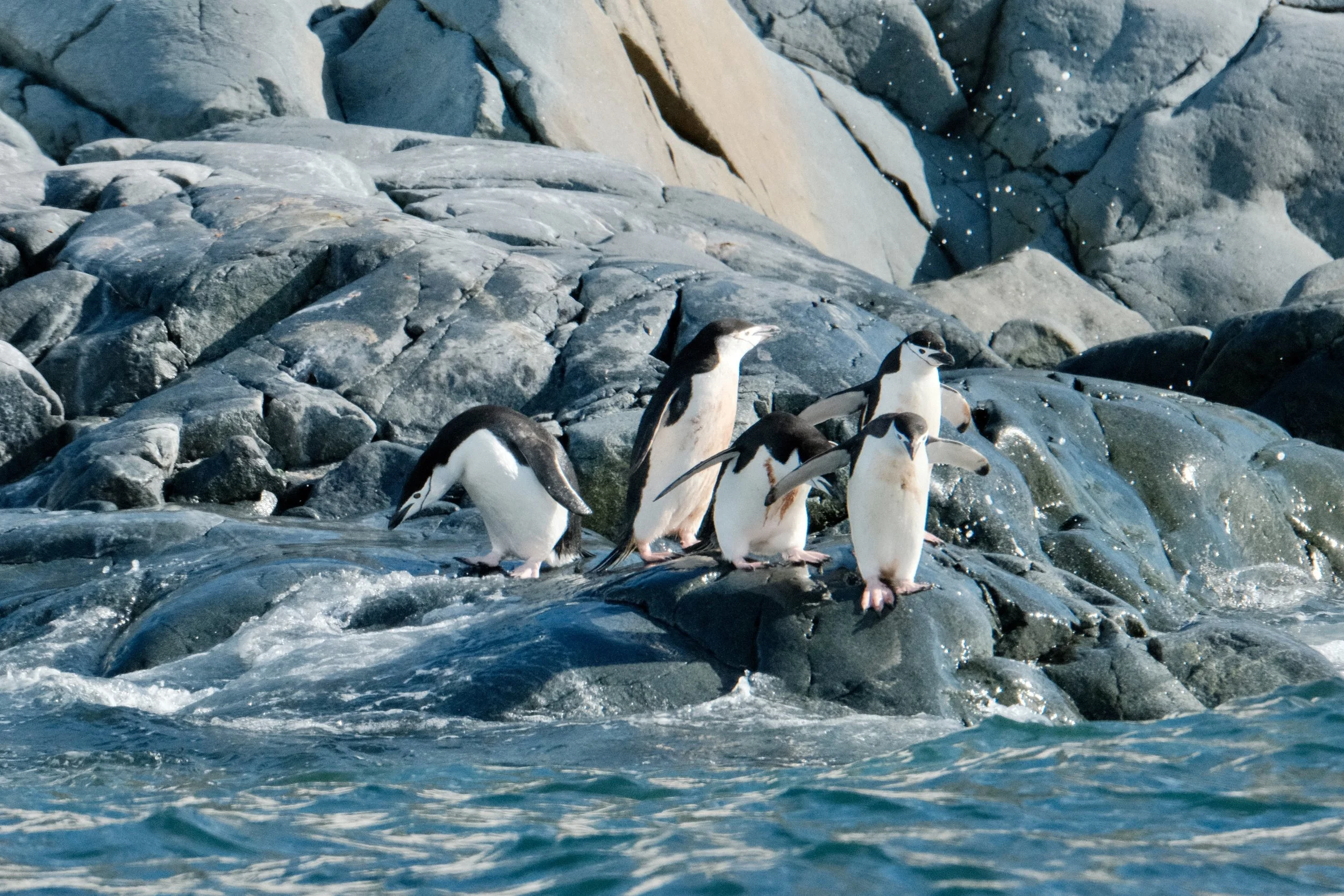
Chinstrap penguins. First one in finds out if there’s a Leopard Seal about!
Adélie penguins were encountered at sites such as Port Charcot and parts of Green Island, generally where seasonal sea ice persists longer into the year. Adélies are strongly associated with pack ice and require reliable access to ice-covered waters during parts of their breeding cycle. Their nesting sites are often on low-lying gravel terraces, where they build stone nests that are reused across seasons. Unlike Chinstraps and Gentoos, Adélie populations along the northern Antarctic Peninsula have declined significantly over the past half-century, correlating closely with reductions in sea ice extent.
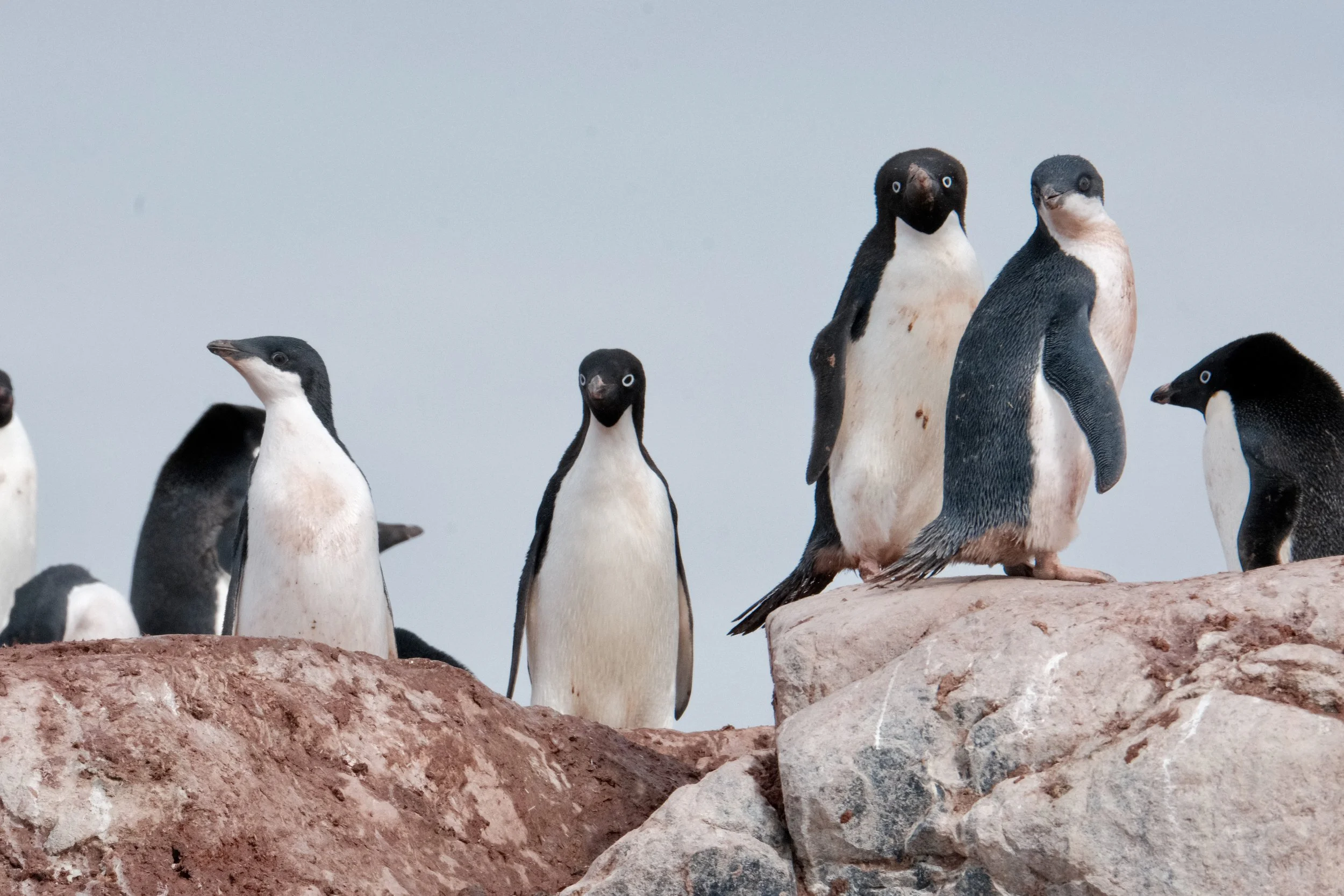
Adelie penguins. With a primary diet of krill, the colony very much smells like yesterday’s seafood cocktail.
Gentoo penguins were the most widely distributed species across the sites we visited, particularly at Cuverville Island, Danco Island, and Hovgaard Island. Gentoo colonies tend to be smaller and more dispersed than those of chinstraps, often located on gentle slopes or elevated terraces above the shoreline. Gentoos are less dependent on sea ice and have a more flexible diet, feeding on krill, fish, and squid. This adaptability has allowed them to expand their range southward along the Peninsula, and Gentoo populations in the region have increased markedly in recent decades.
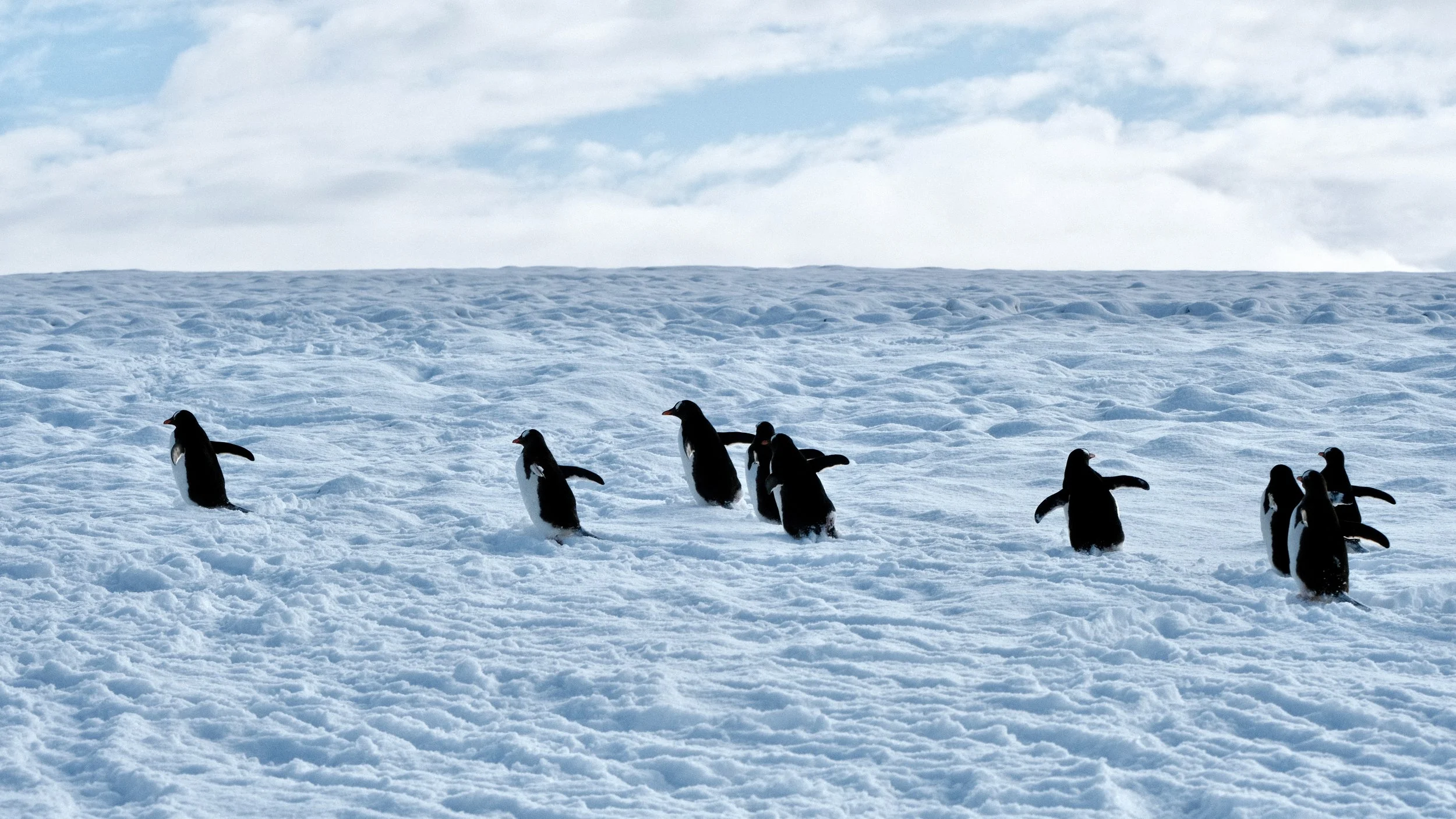
Gentoo penguins on the move.
The contrast between these species is especially apparent at mixed-species sites. At Danco Island, Gentoo colonies occupy higher ground, while Adélies—where present—are closer to traditional ice-influenced nesting areas. Cuverville Island, home to one of the largest Gentoo colonies on the Peninsula, shows little overlap with Adélie nesting, reflecting differing habitat requirements. Palaver Point, by contrast, supports large Chinstrap populations but fewer Gentoos, consistent with its exposure and nesting substrate.
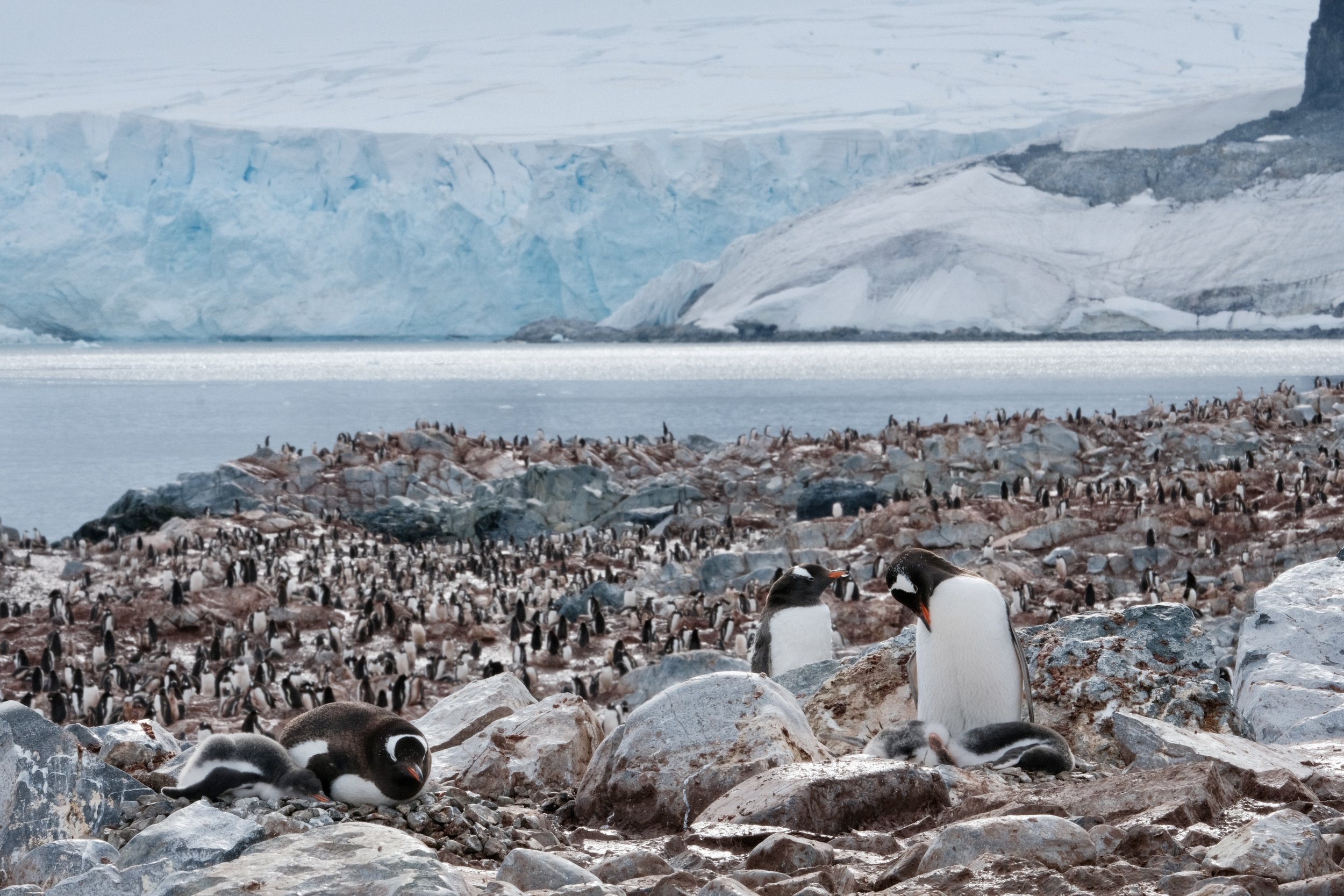
The sizable and growing Cuverville Island Gentoo colony.
These distribution patterns are not static. Long-term monitoring across the Antarctic Peninsula indicates a general trend of Gentoo expansion alongside Chinstrap and Adélie declines, particularly in the northern and central Peninsula. The drivers include rising air and sea temperatures, reduced winter sea ice, and changes in krill distribution. While all three species depend on the Southern Ocean ecosystem, their differing ecological tolerances mean they respond unevenly to the same environmental pressures.
Human presence adds another variable. Many of the sites we visited are regularly accessed by research vessels and expedition cruise ships. Under the Antarctic Treaty system and IAATO guidelines, visitor numbers and behaviour are managed to limit disturbance, particularly during the breeding season. While tourism is not considered a primary driver of penguin population change, cumulative impacts are monitored closely, and site-specific management plans continue to evolve.
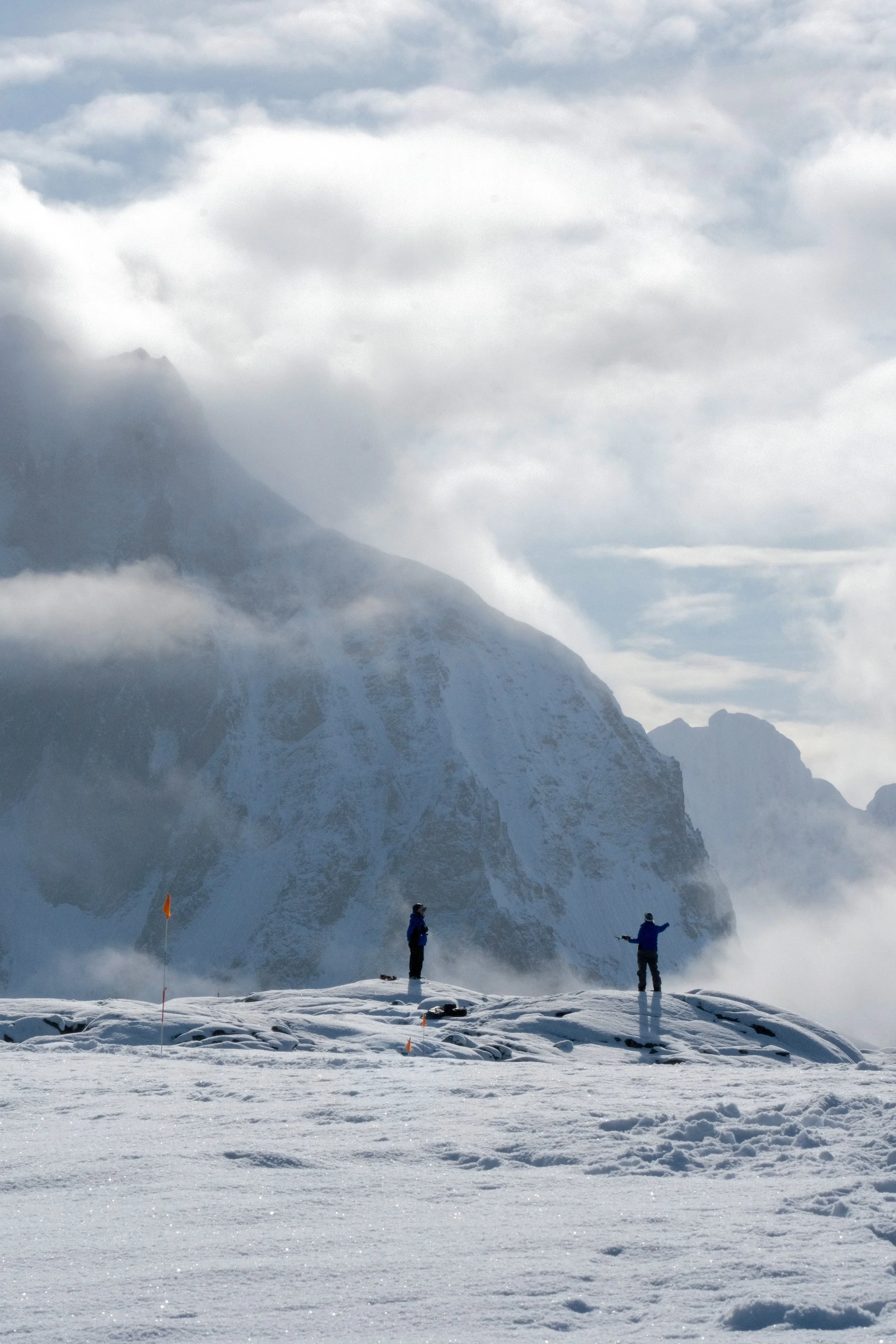
Oceanites researchers launch a drone to conduct a penguin population count.
Taken together, the colonies at Palaver Point, Cuverville Island, Danco Island, Port Charcot, Green Island, and Hovgaard Island offer a cross-section of how penguins are responding to rapid environmental change along the Antarctic Peninsula. The shifts observed are not uniform losses or gains, but redistributions shaped by ice, food, and temperature.
As with sealing, whaling, and early scientific occupation, penguins provide a record of how the Peninsula is changing. Unlike abandoned stations or preserved huts, these colonies are not static. They move, expand, contract, and disappear in response to conditions that now change faster than at any point in the historical record.
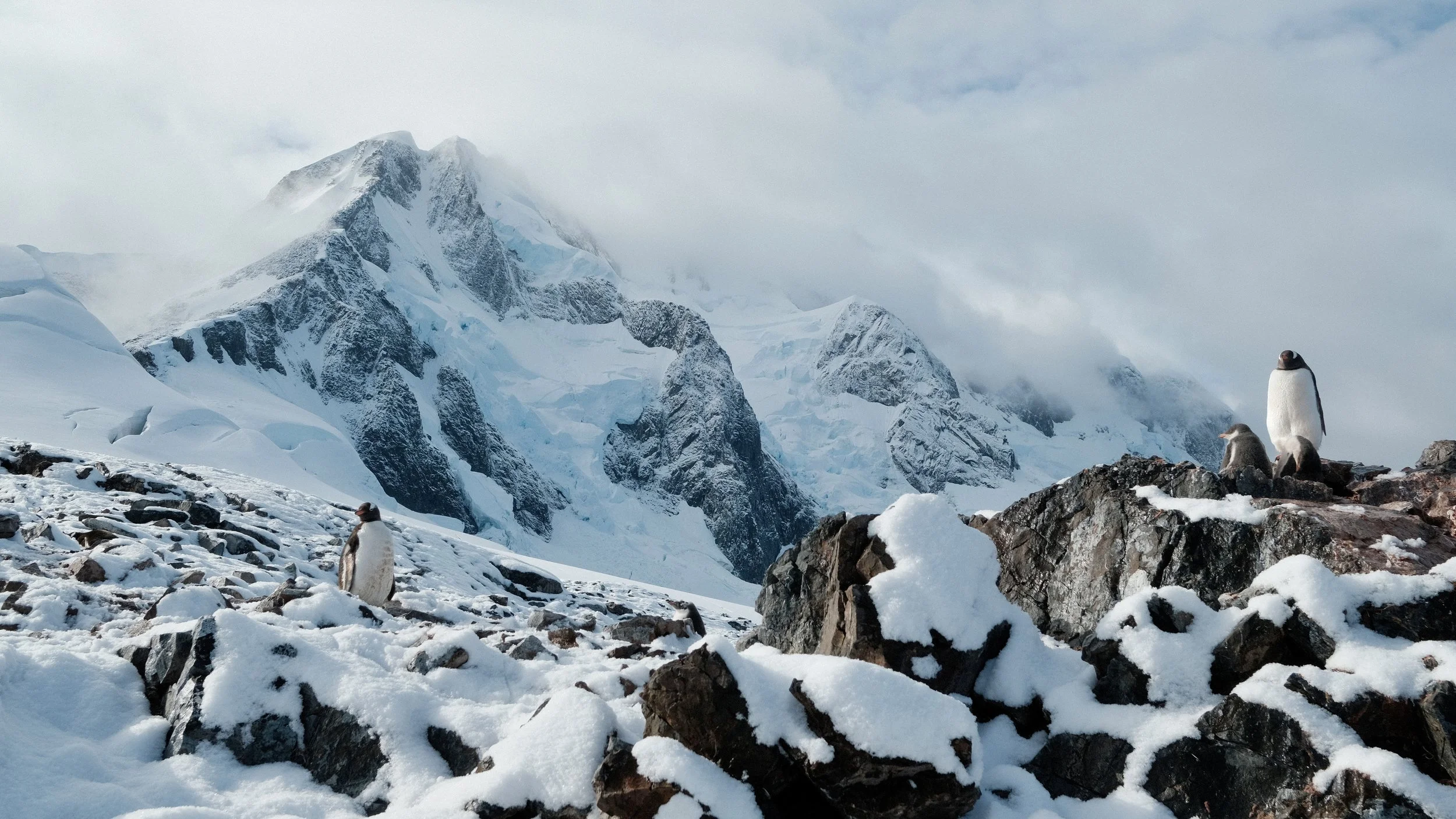
Along with whales, penguins were the most characterful and memorable presence in Antarctica and it was fascinating to learn of their biological indication of a system under pressure. You can learn more about, and support Oceanites work here.
