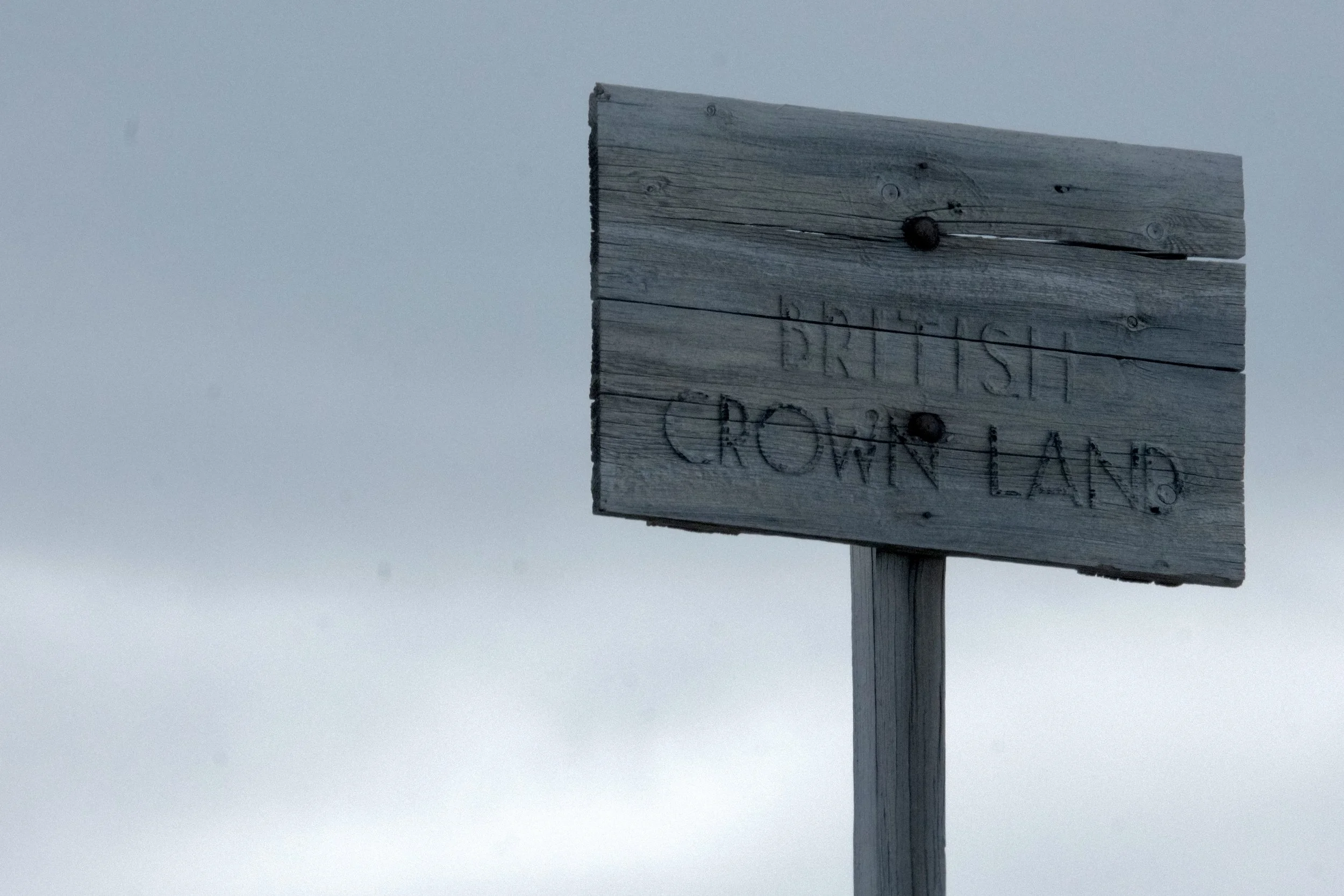
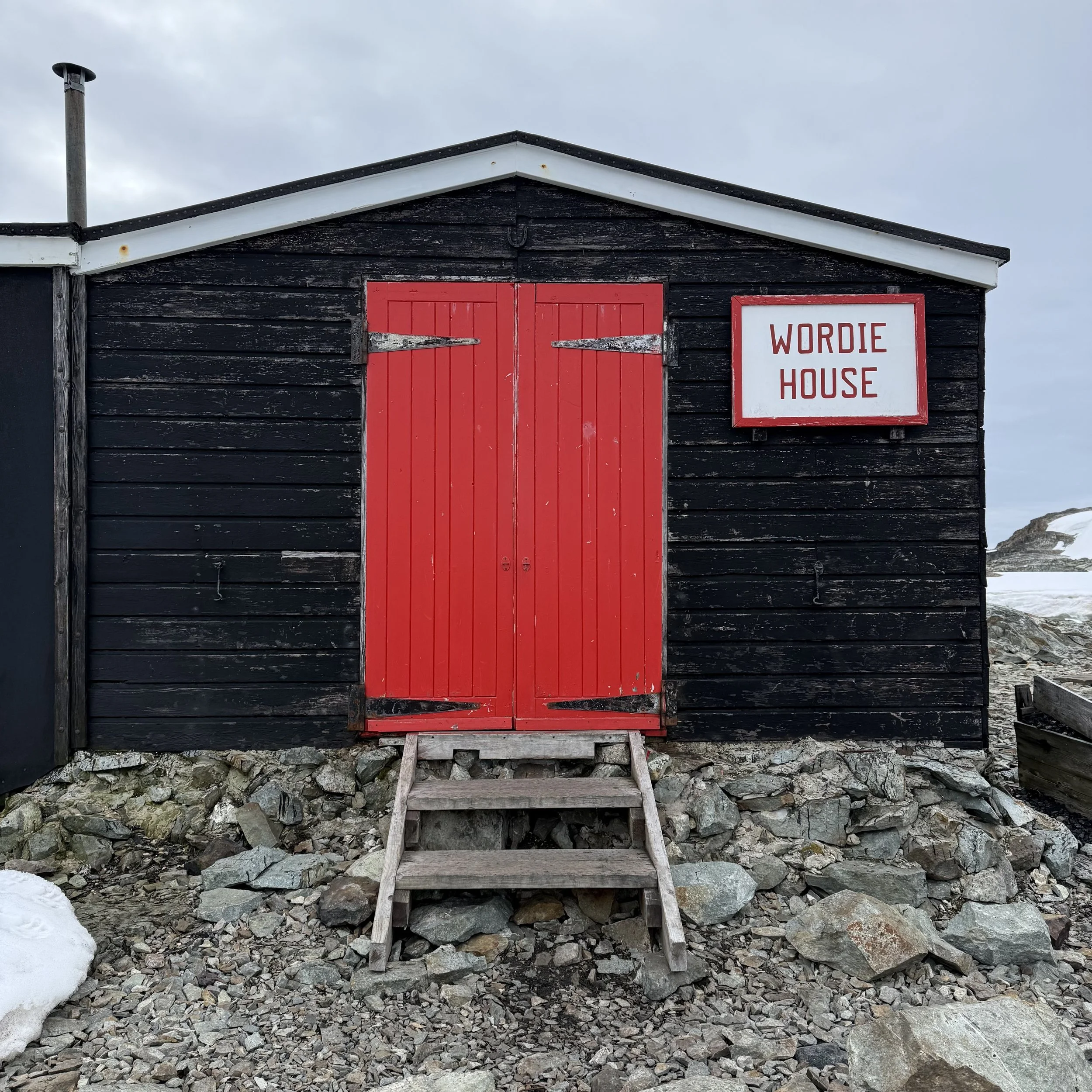
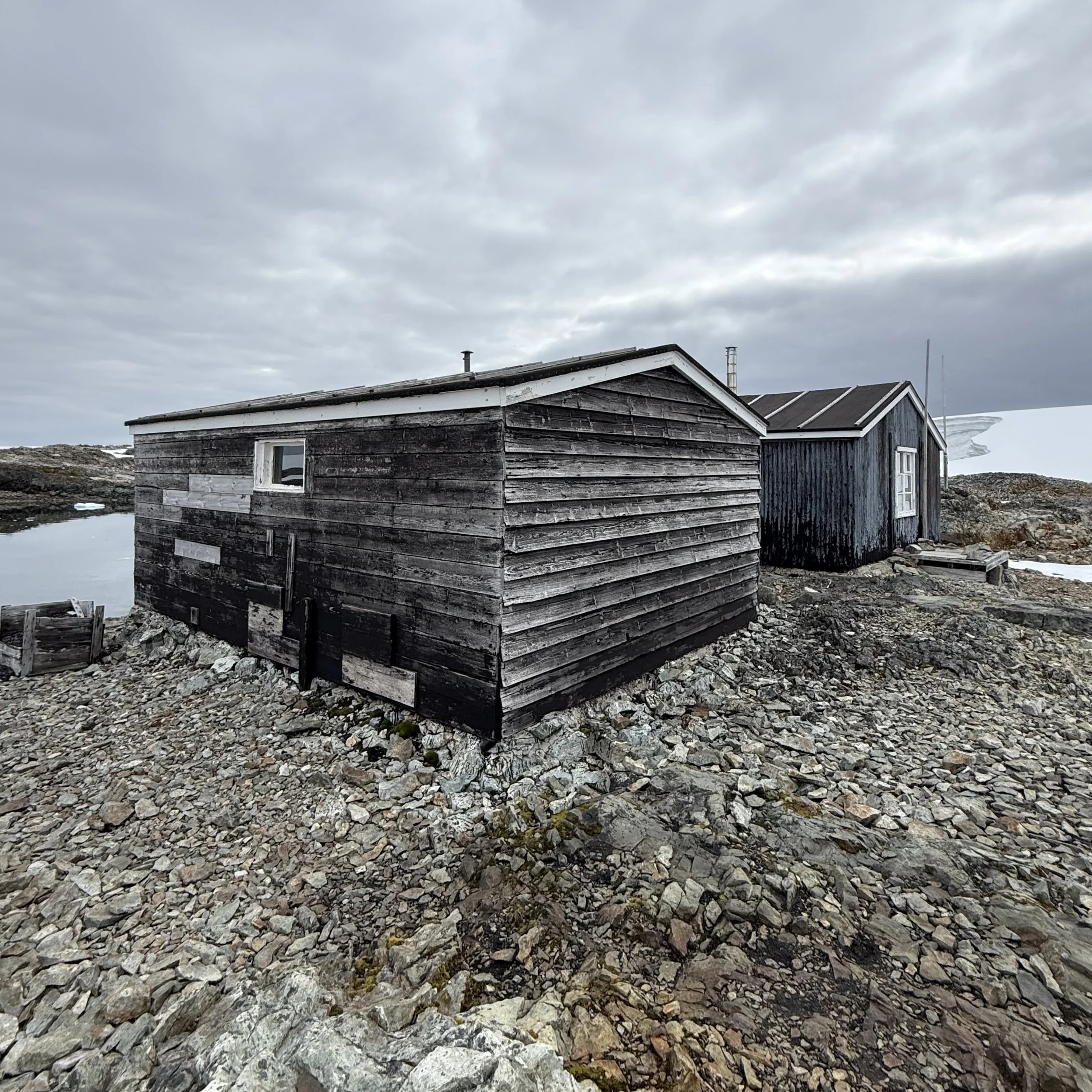
British efforts to establish permanent occupation in Antarctica focused on the Antarctic Peninsula during the Second World War. In 1944, as part of Operation Tabarin, Base F was constructed on Winter Island in the Argentine Islands group. Later known as Wordie House, it became the first continuously occupied British Antarctic station.
The hut was timber-built, compact, and designed to support a small overwintering party. Its purpose was not exploration or extraction, but continuity. The objective was to maintain a year-round human presence and produce reliable scientific observations regardless of conditions.
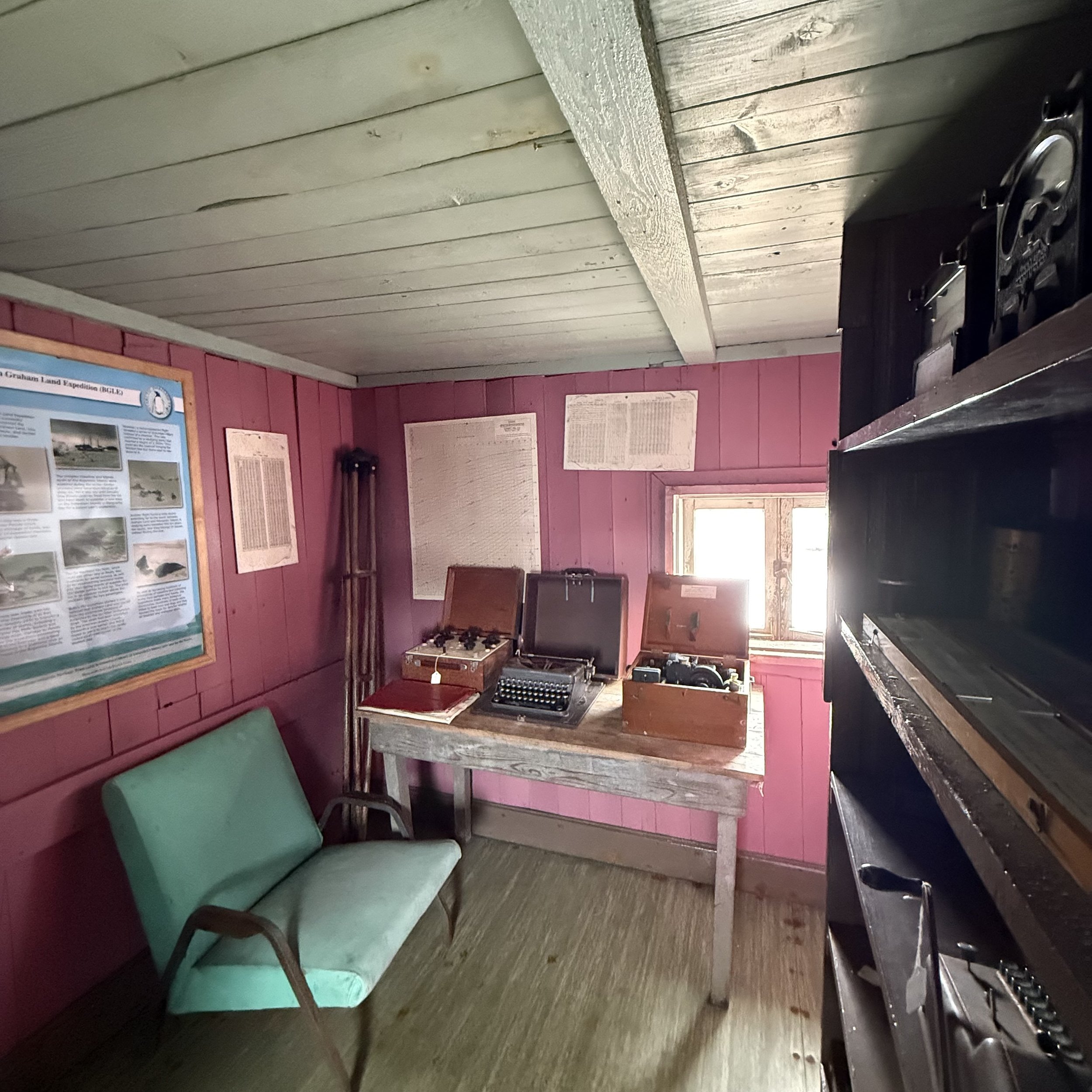
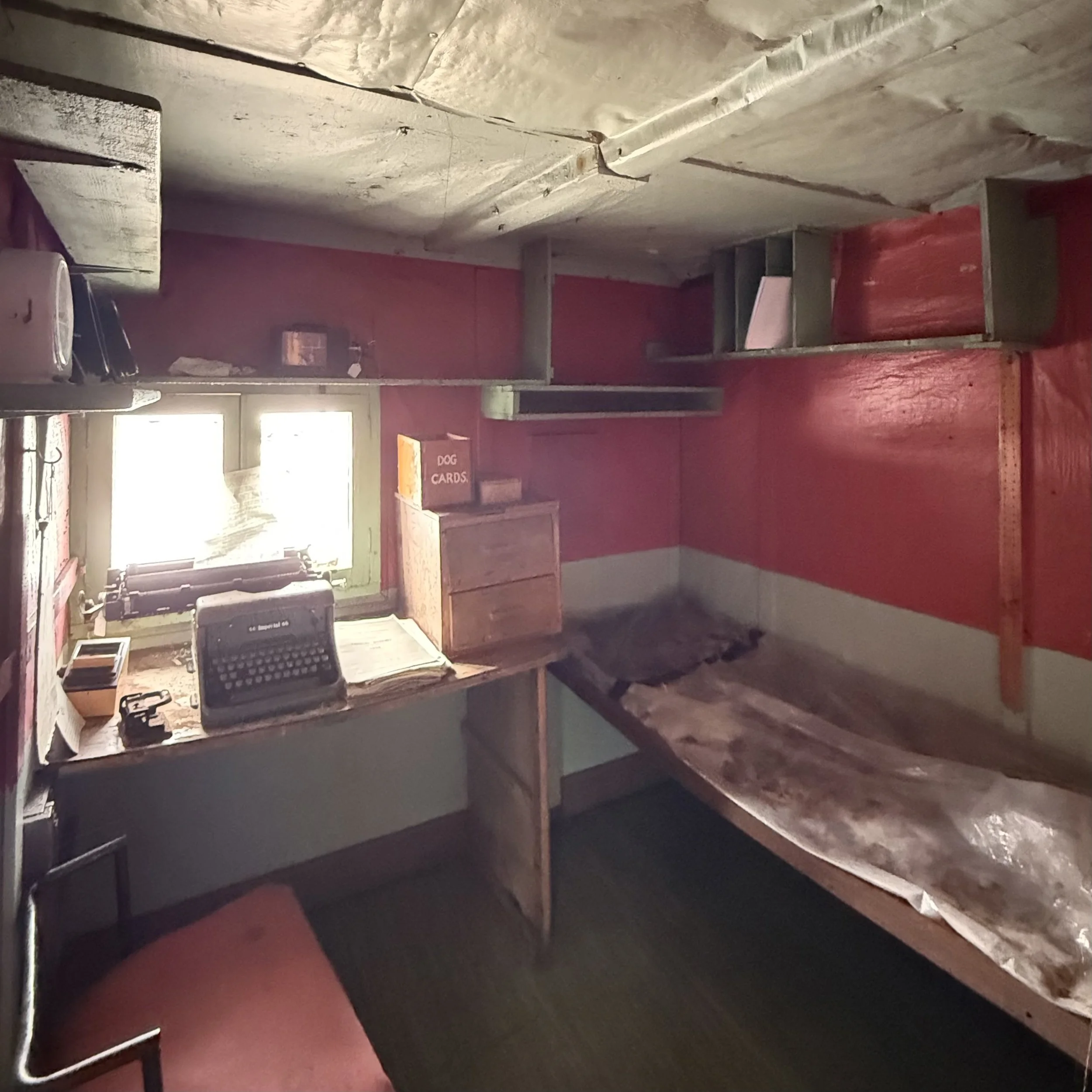
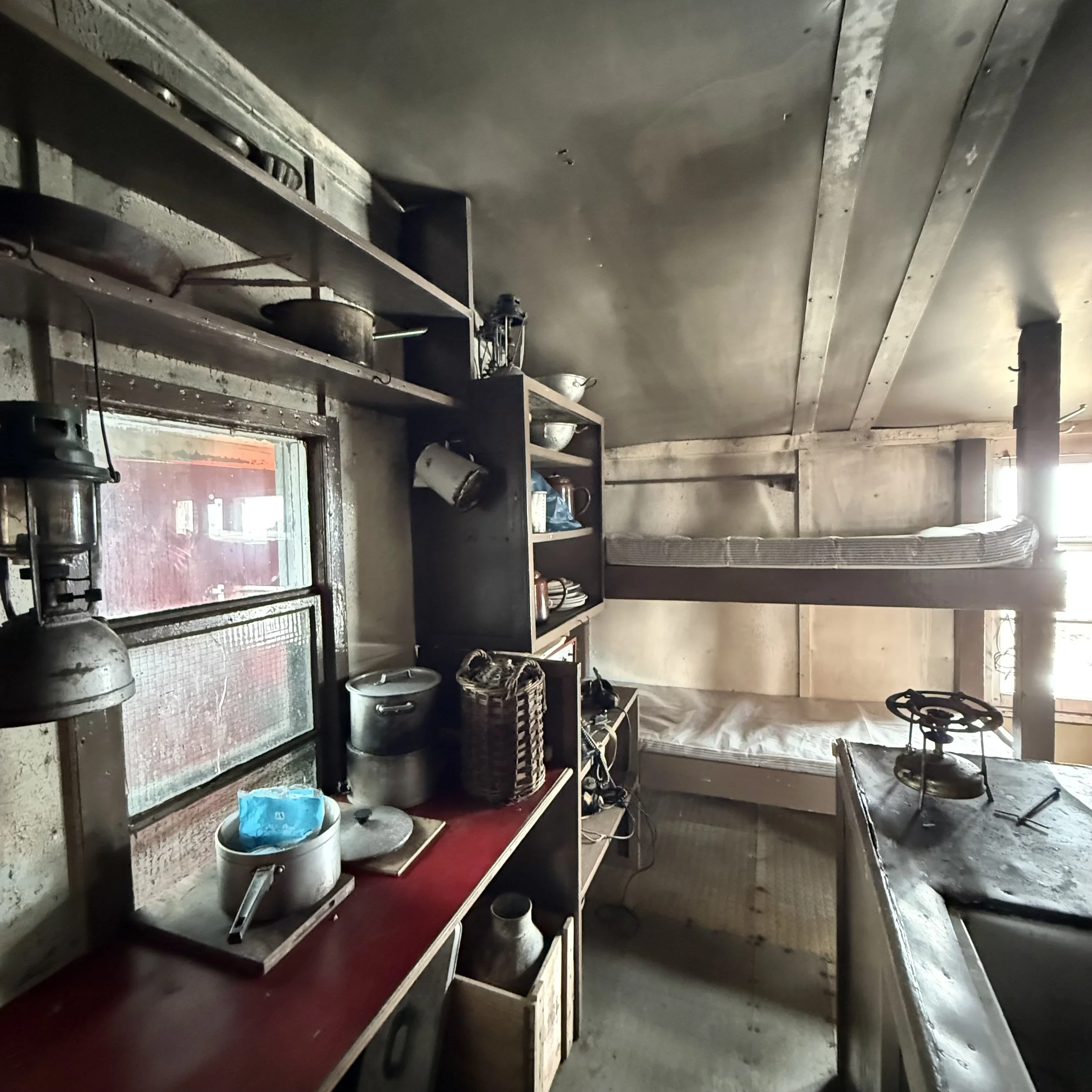
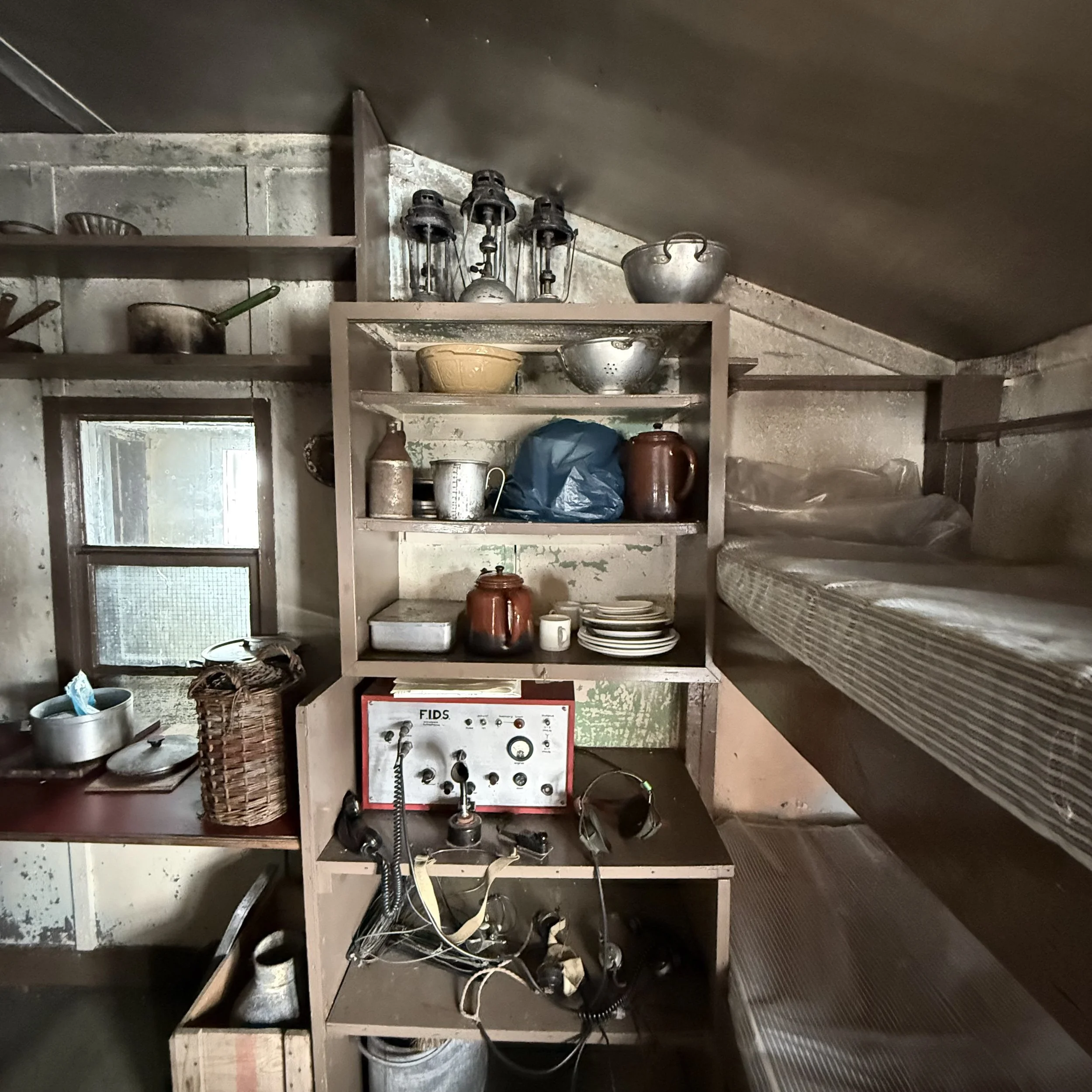
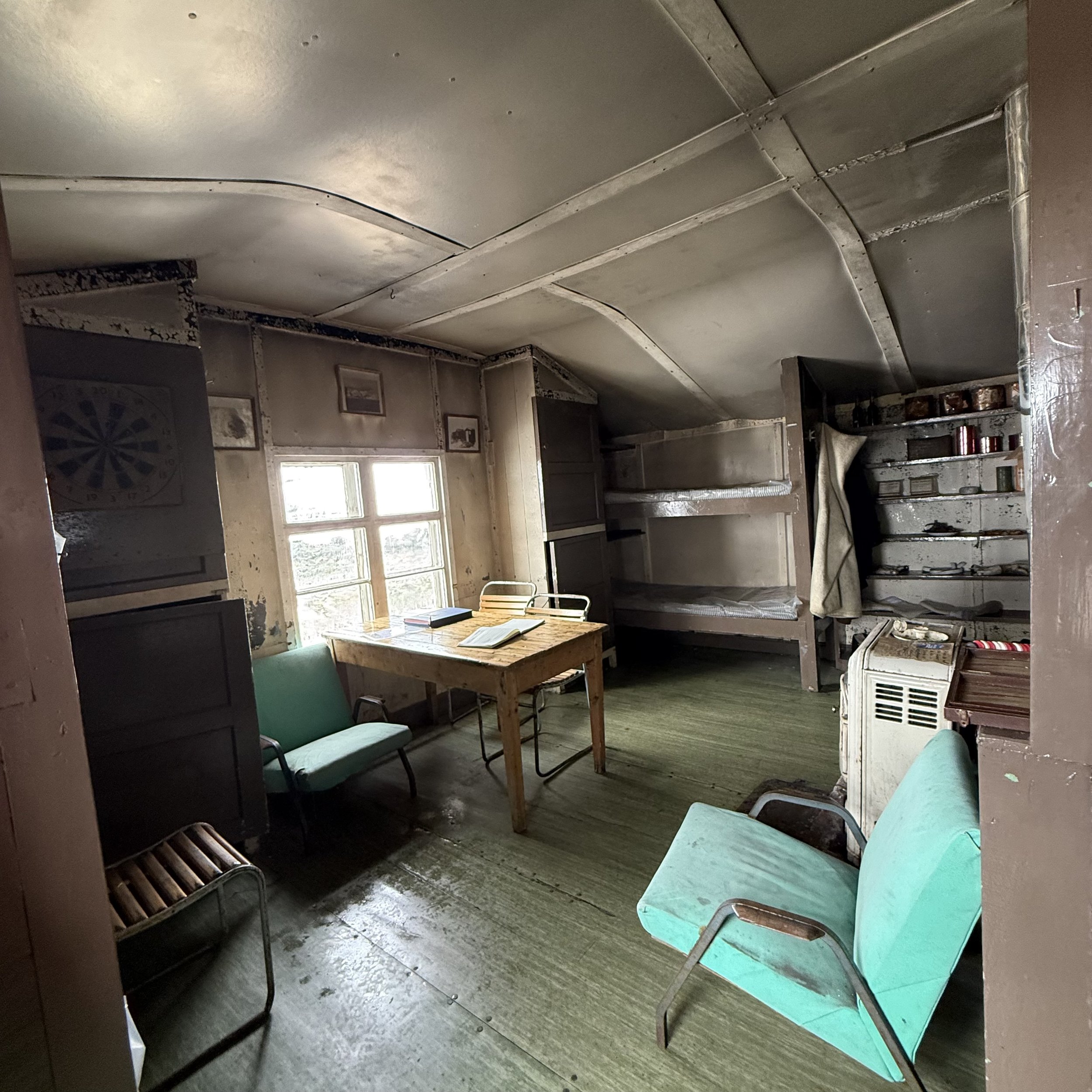
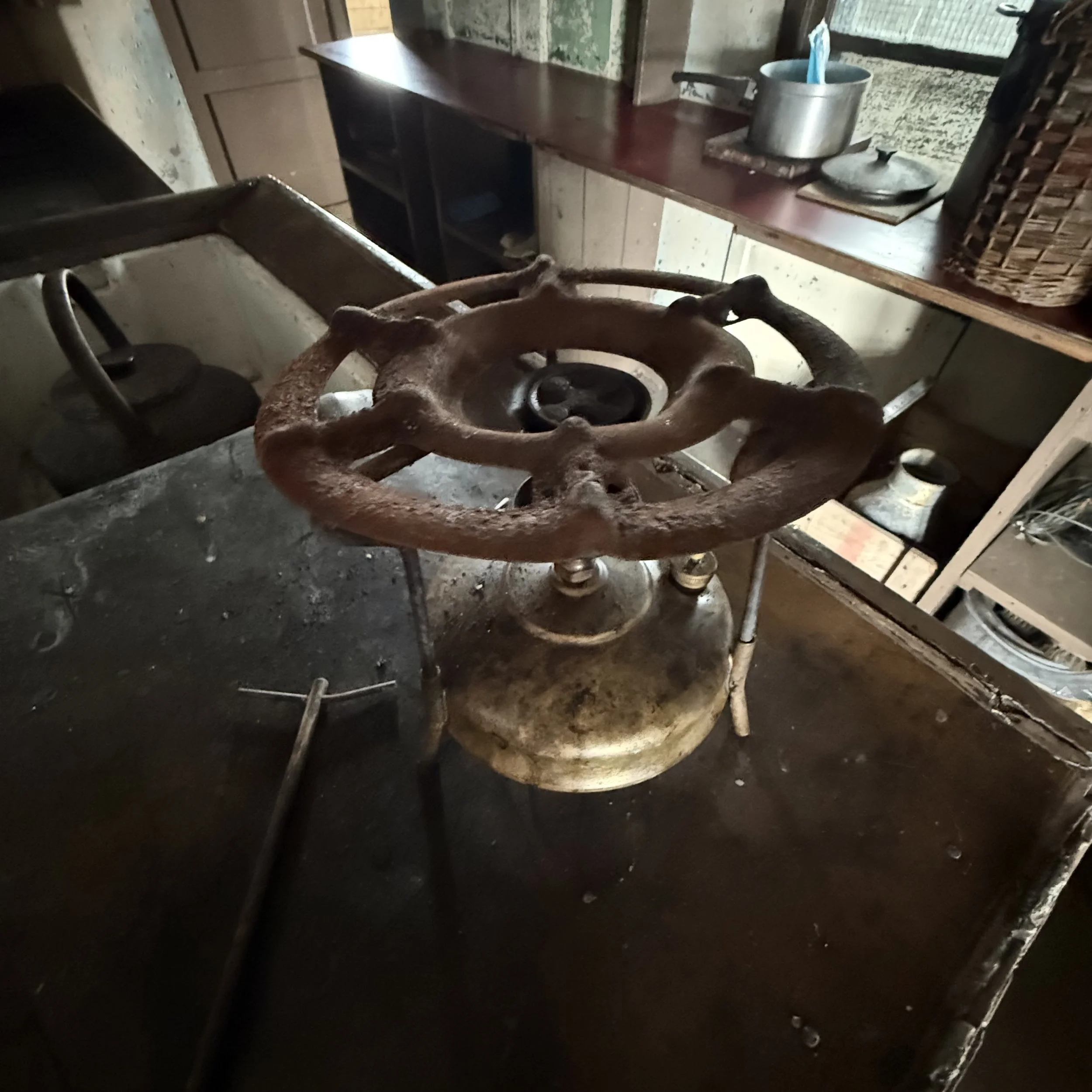
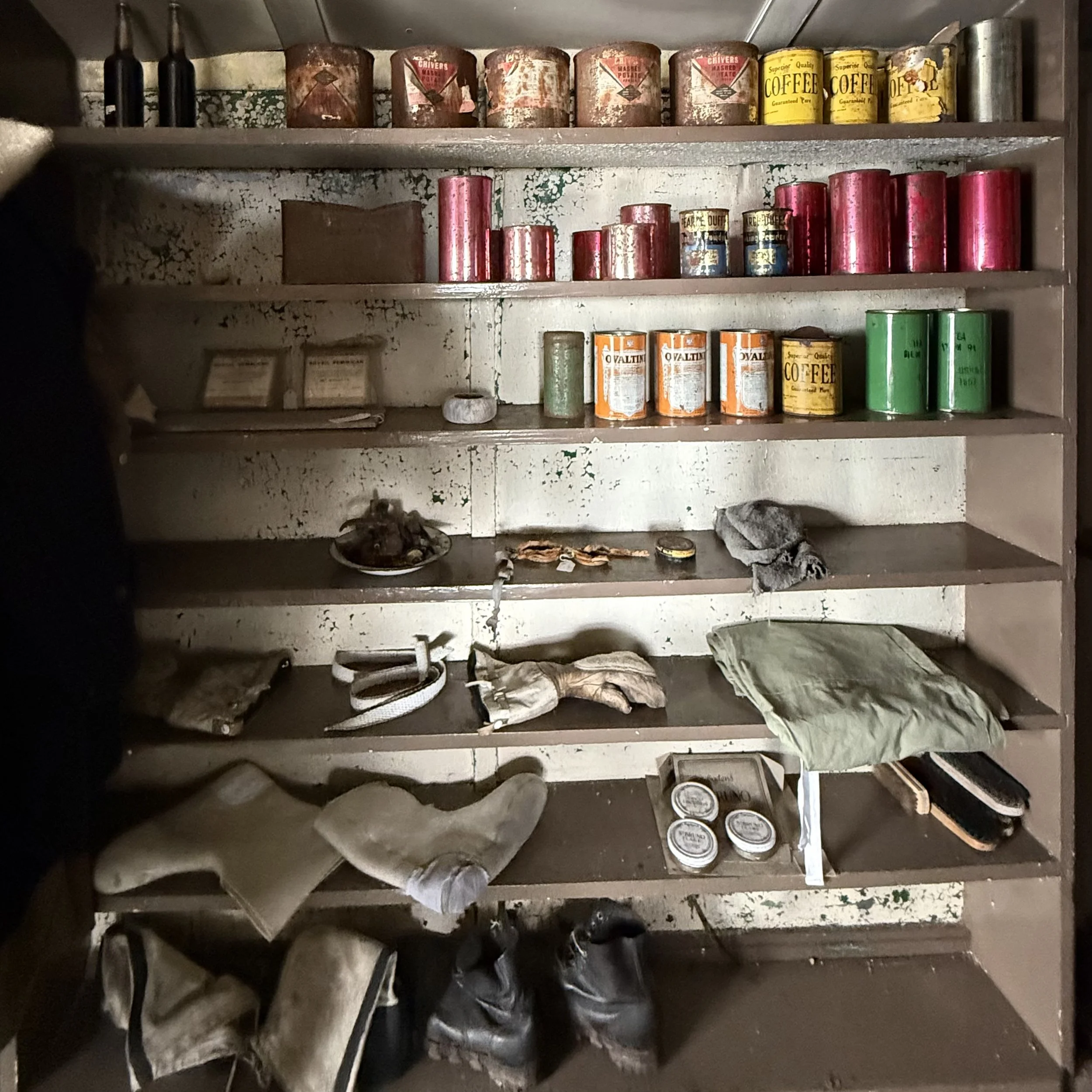
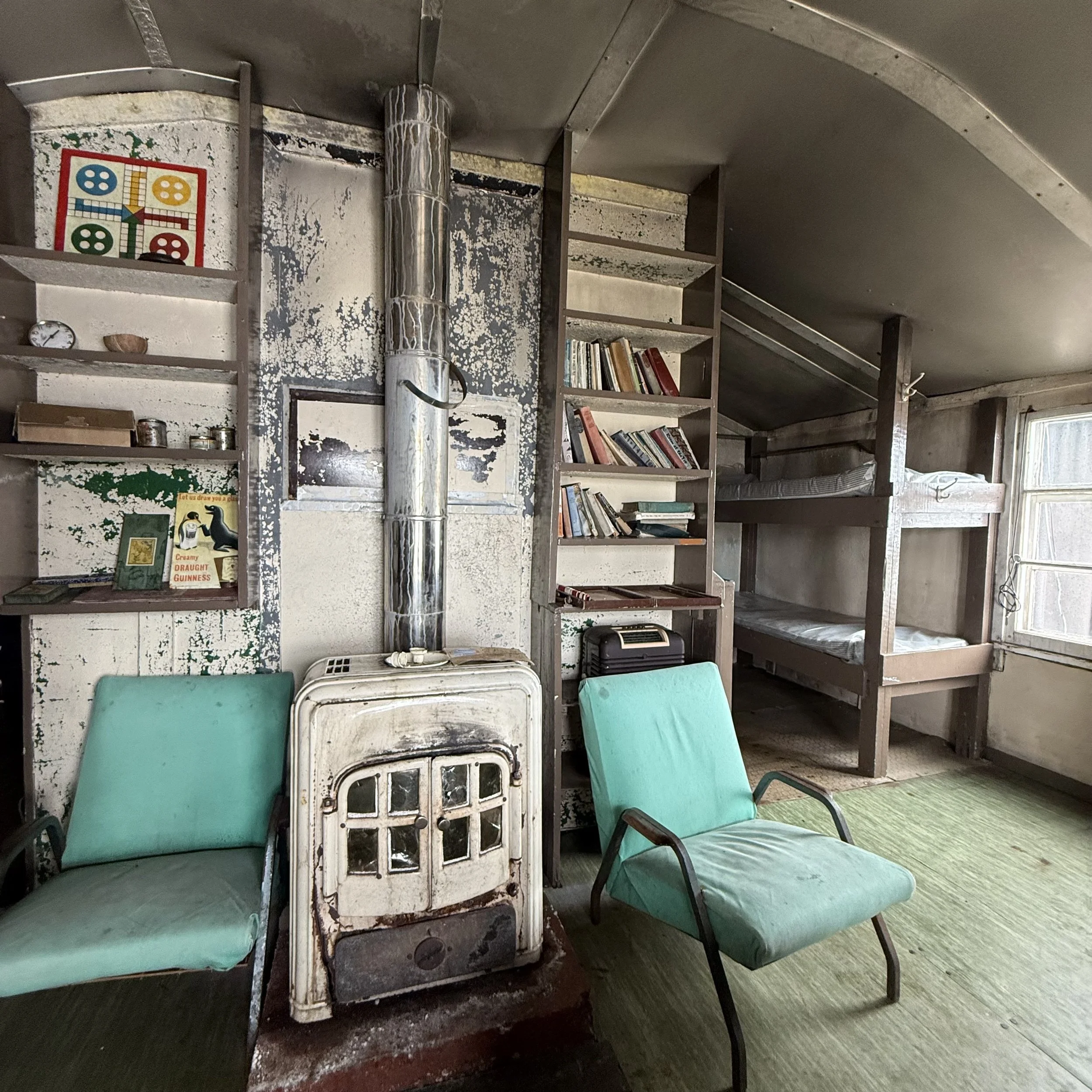
Life at Base F was organised around routine. Living, working, and storage spaces were tightly integrated. Coal provided heat, and interior conditions were affected by condensation and limited insulation. Despite these constraints, scheduled meteorological observations were maintained, along with tidal measurements, geological work, and regular radio communications. Base F demonstrated that permanent occupation was operationally viable.
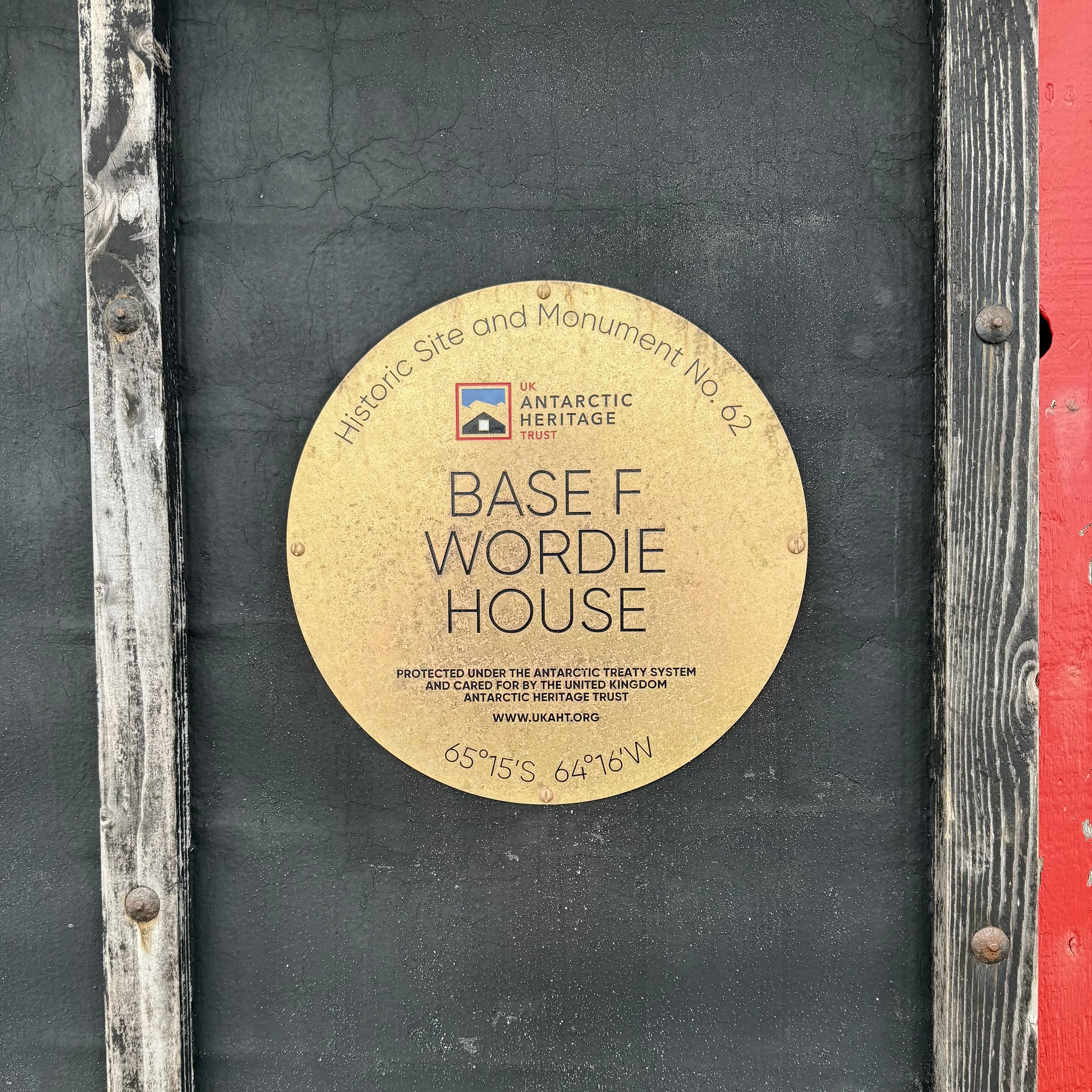
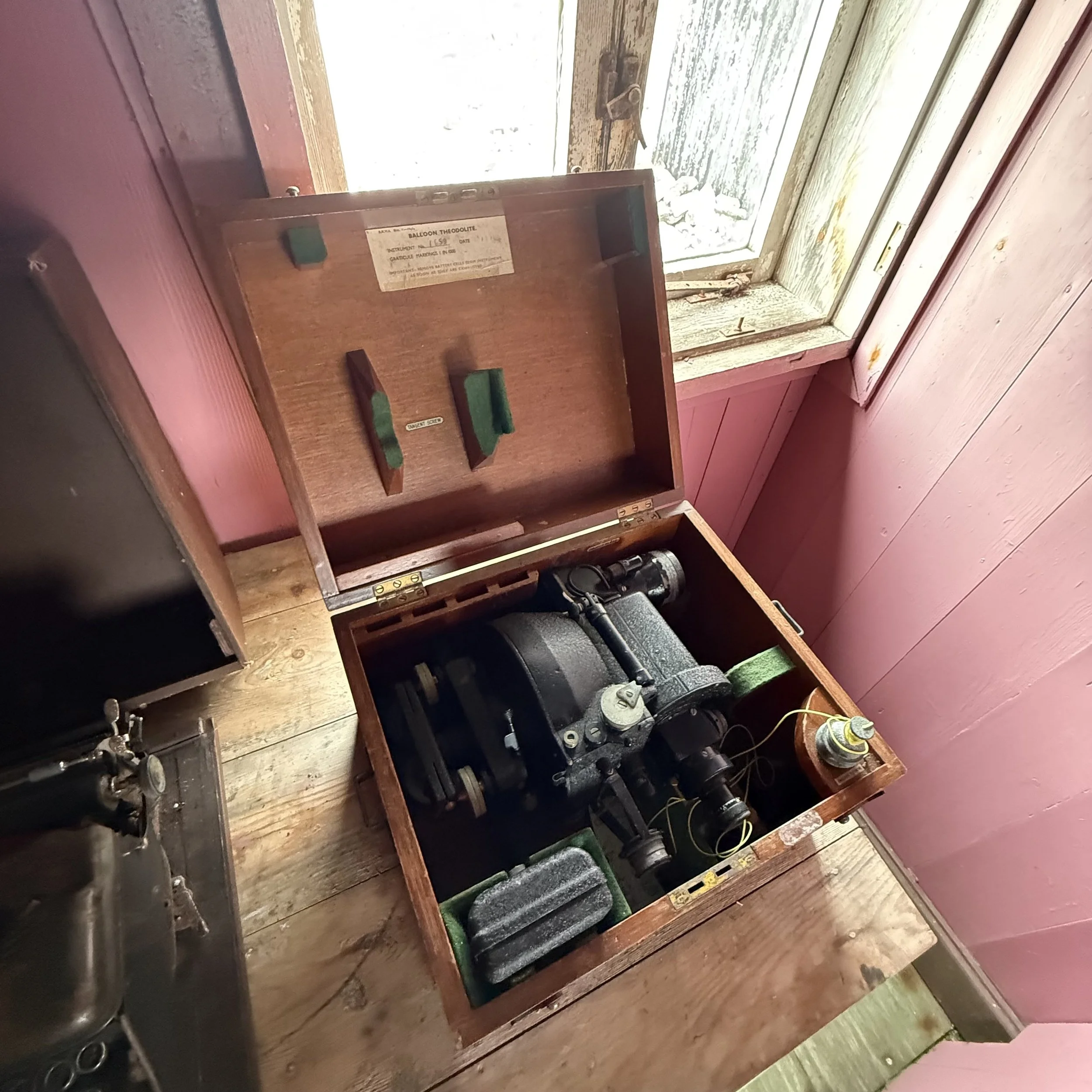
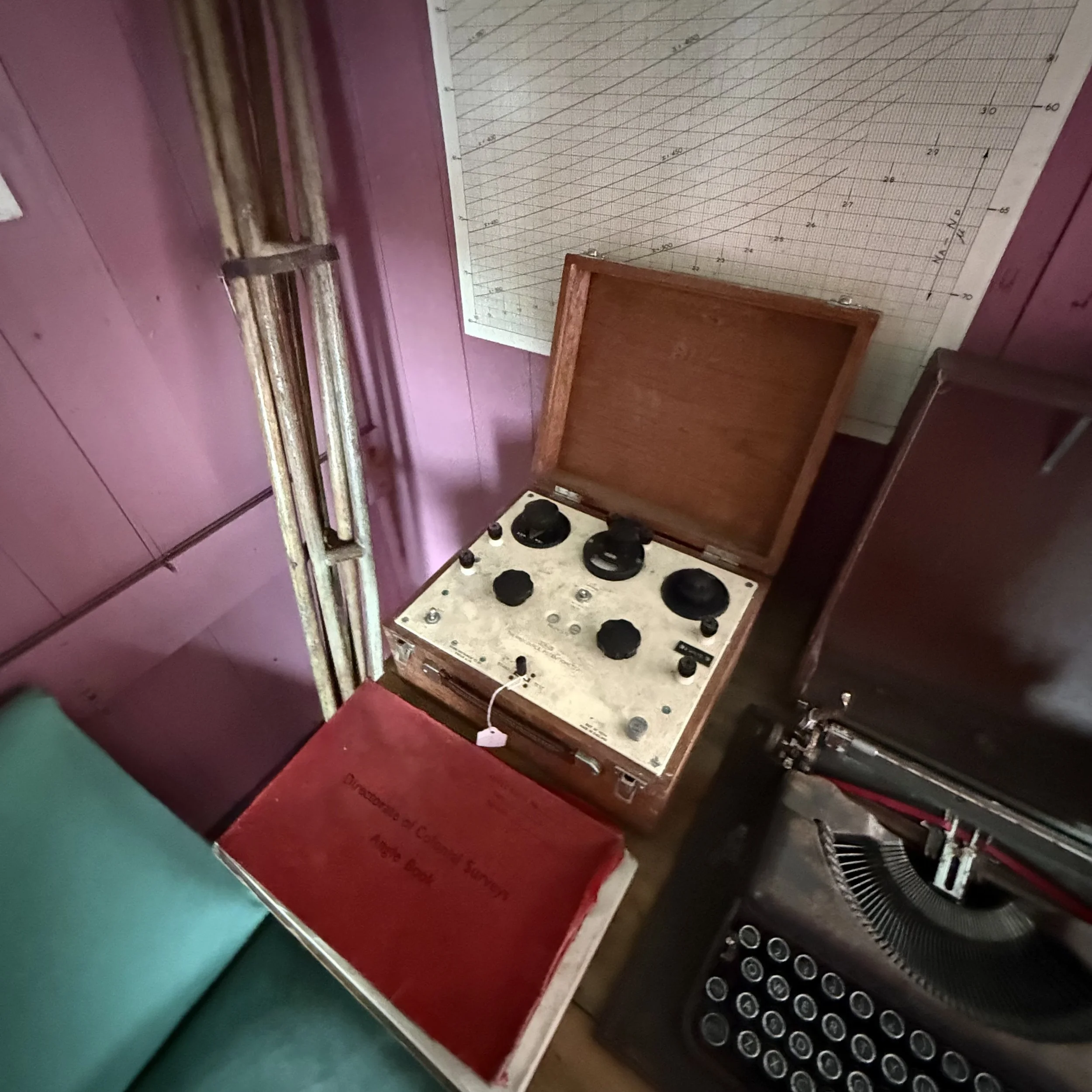
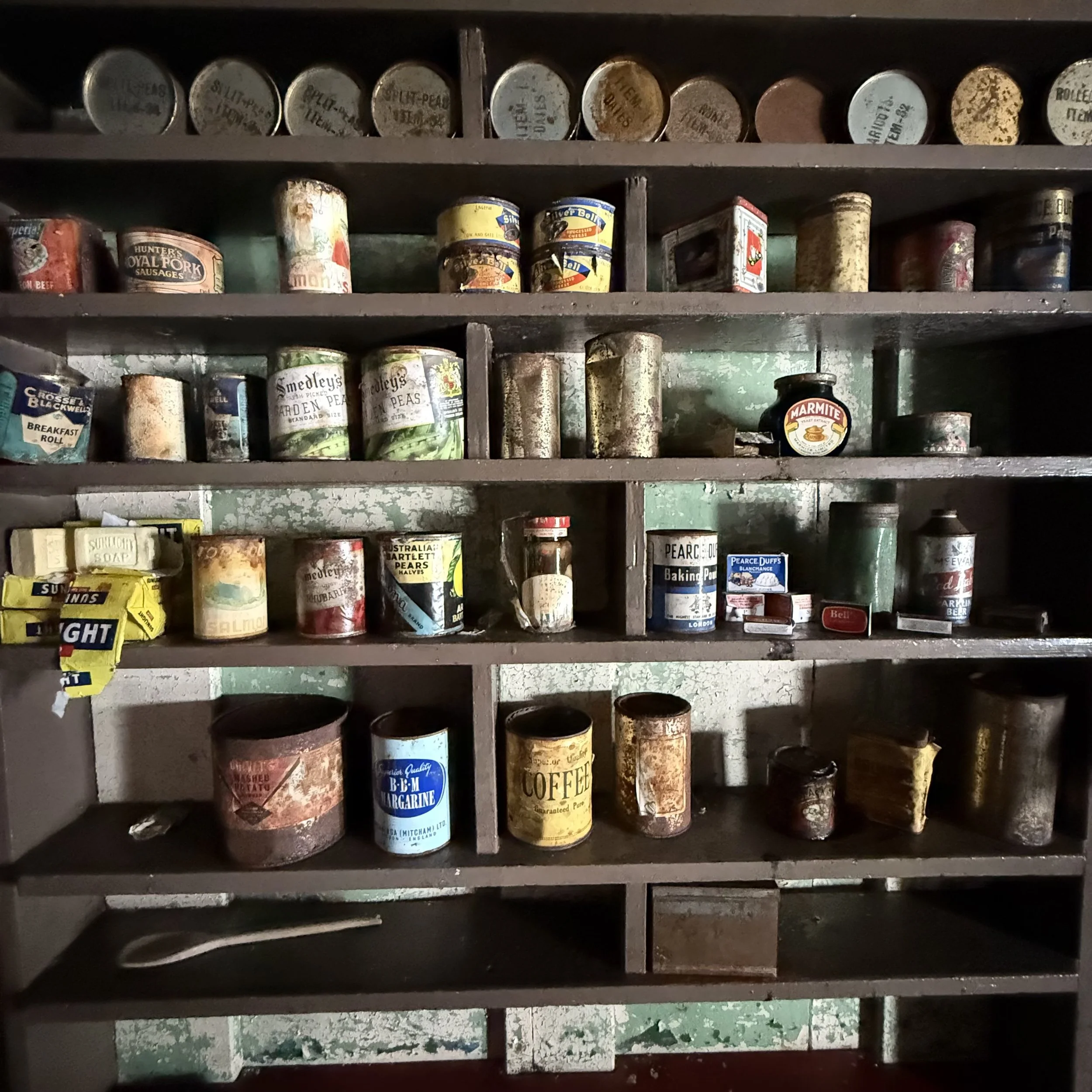
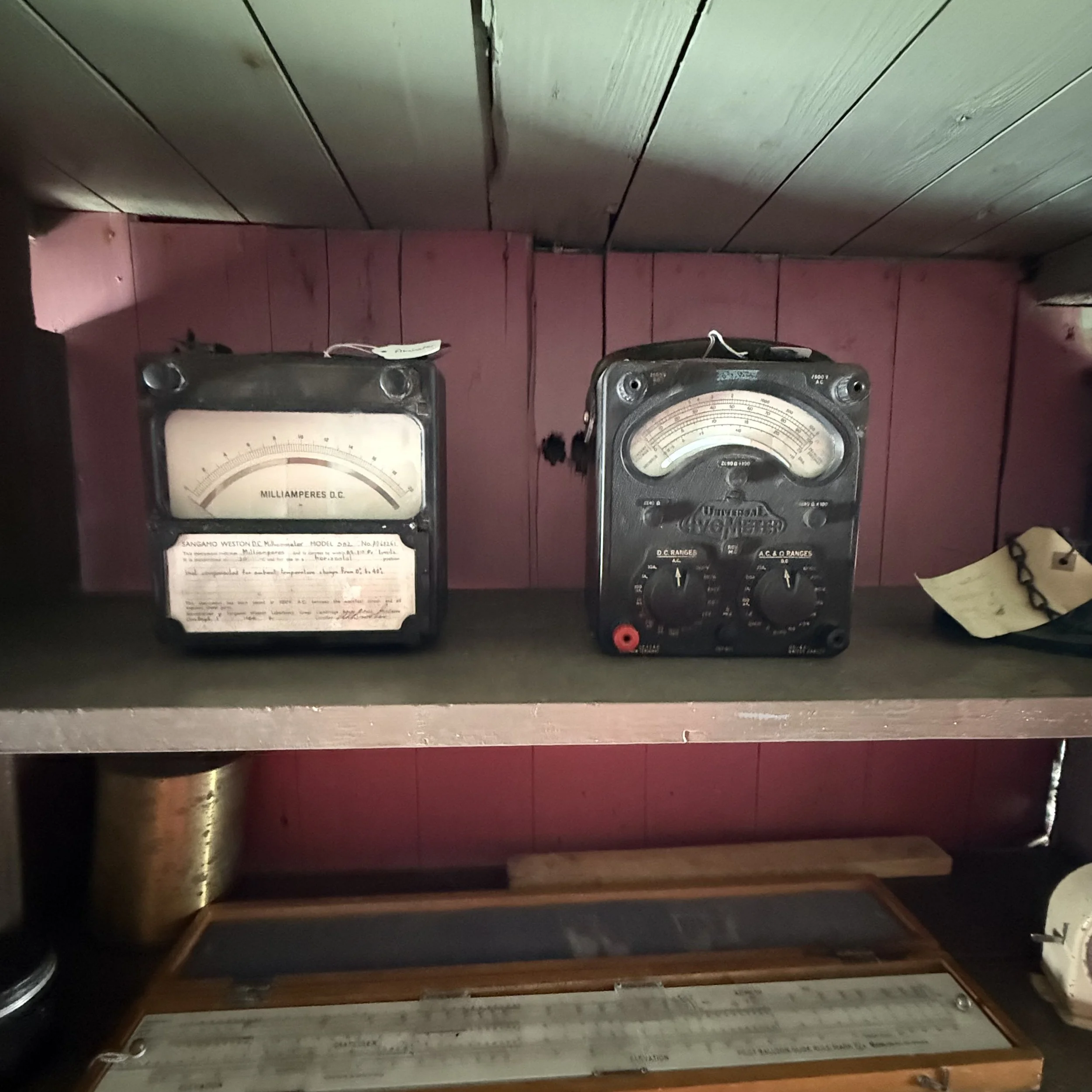
Today, Wordie House is retained as a protected site. Designated Historic Site and Monument No. 61, it remains locked and preserved largely as it was when vacated with furnishings, equipment, and layout left in place.
After the war, Operation Tabarin evolved into the Falkland Islands Dependencies Survey, later renamed the British Antarctic Survey. As scientific programmes expanded, the limitations of Base F became apparent. Its size and location restricted its ability to support wider coordination.
In 1954, British operations moved to Base G on nearby Galindez Island. Base G was larger and developed with a strong emphasis on communications. High-frequency radio systems linked the station to the Falkland Islands and the United Kingdom and provided relay services for other British bases along the Antarctic Peninsula. Weather data and maritime communications were transmitted regularly, allowing British Antarctic operations to function as a coordinated network rather than as isolated stations.
This communications role remains evident today. The antenna arrays at Galindez Island reflect Base G’s original function as a regional coordination point rather than a standalone outpost.
In the 1990s, as Britain consolidated its Antarctic presence, Base G was identified for transfer. In 1996, it was handed over to Ukraine for a nominal sum and renamed Akademik Vernadsky Station. Scientific operations continued without interruption, and responsibility passed without dispute, consistent with the Antarctic Treaty framework.
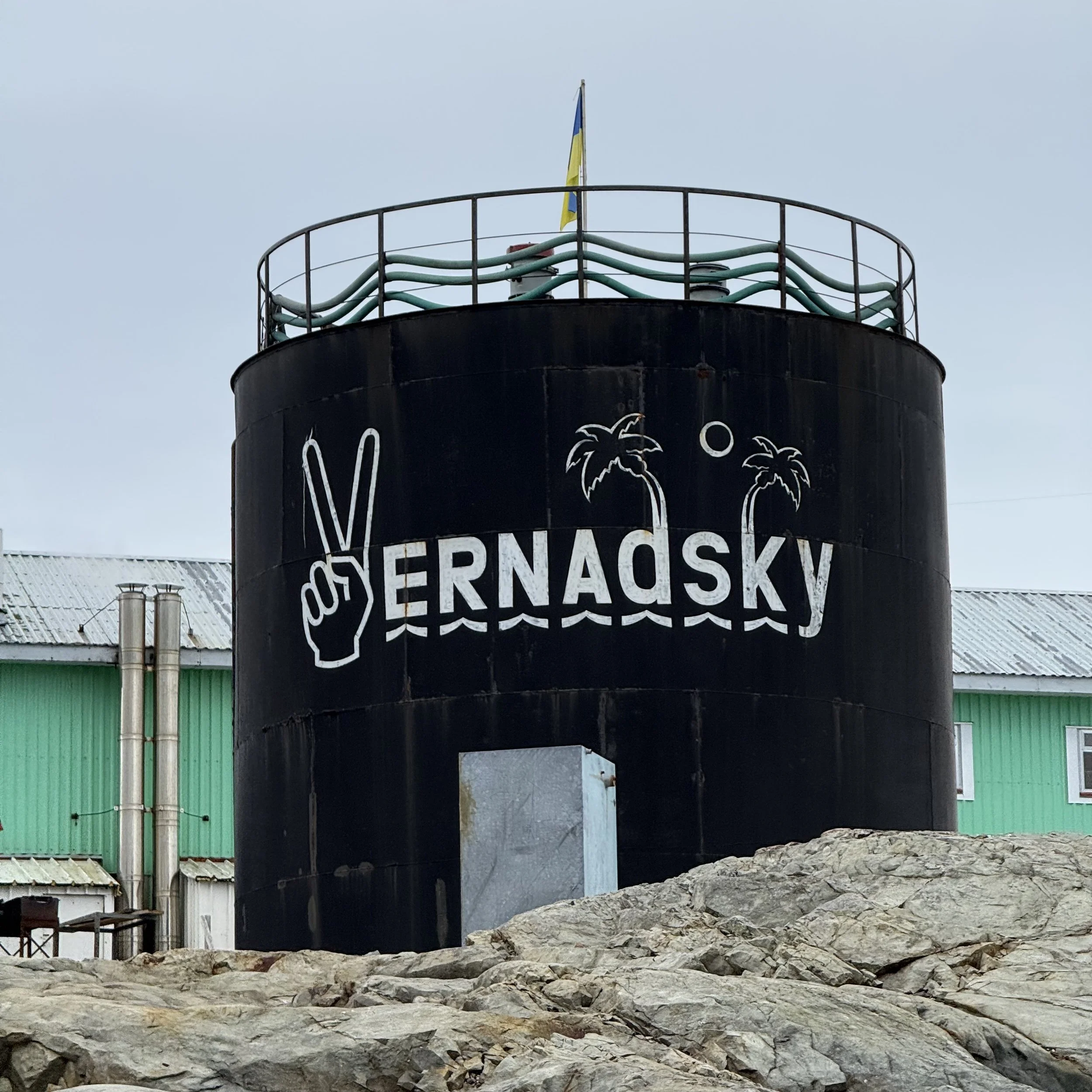
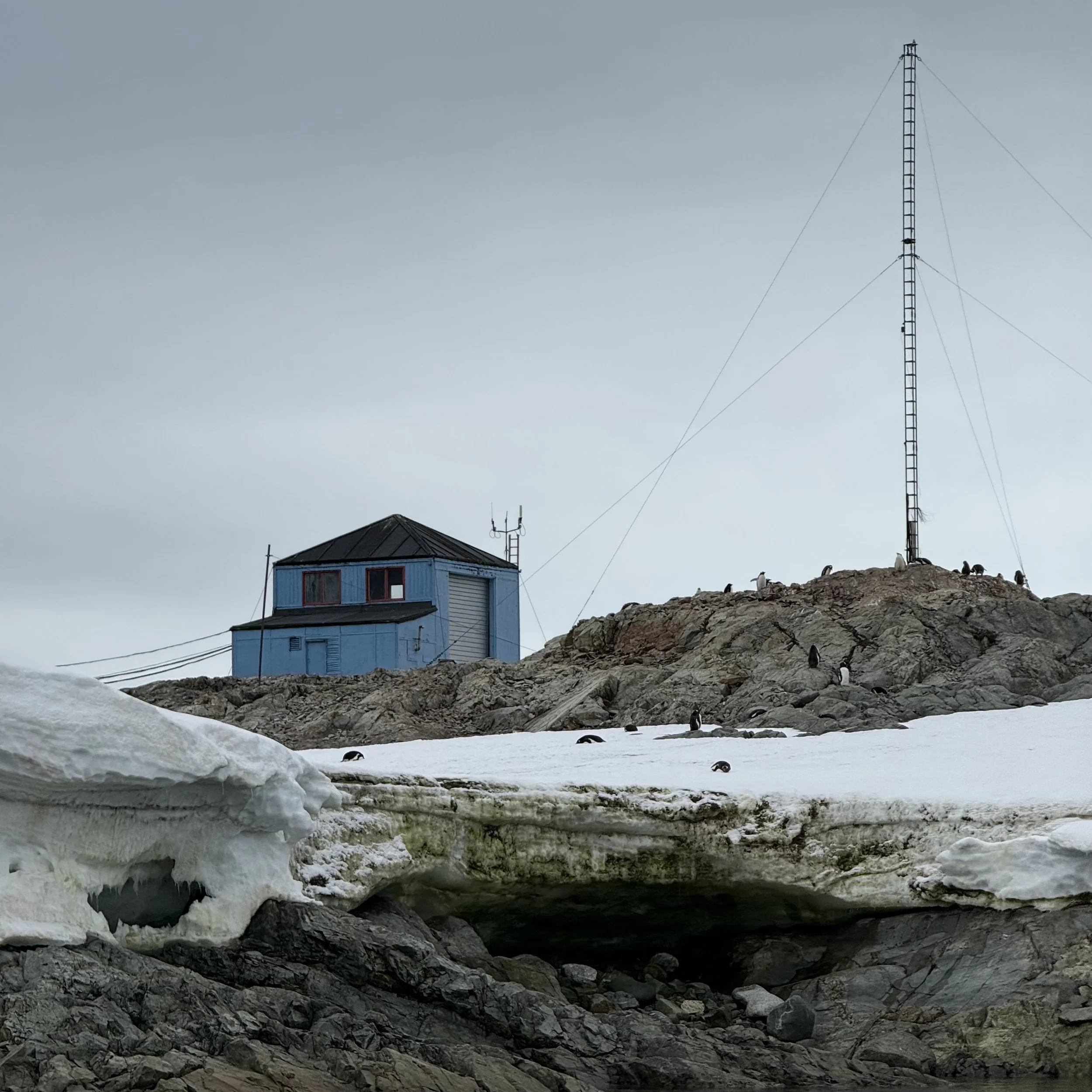
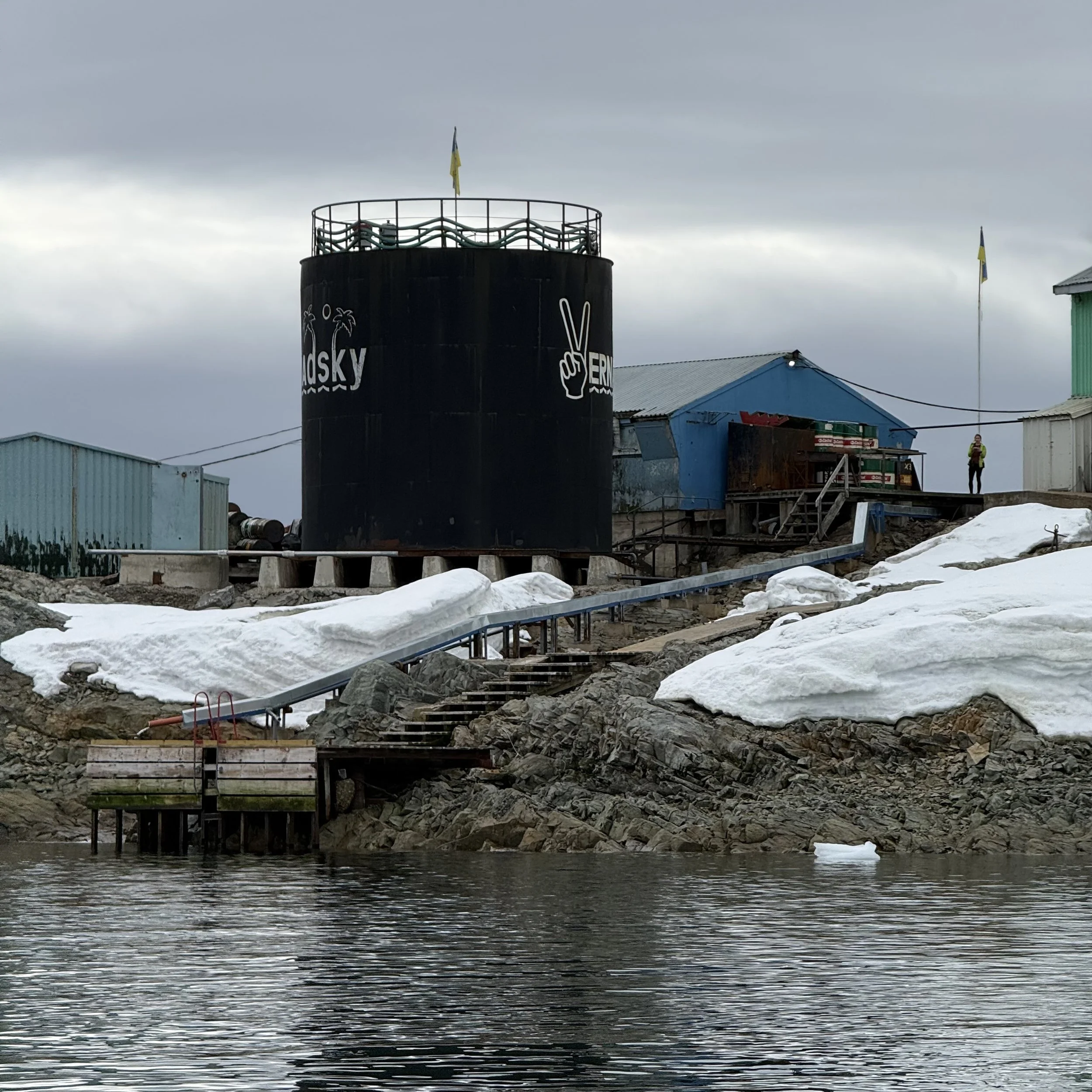
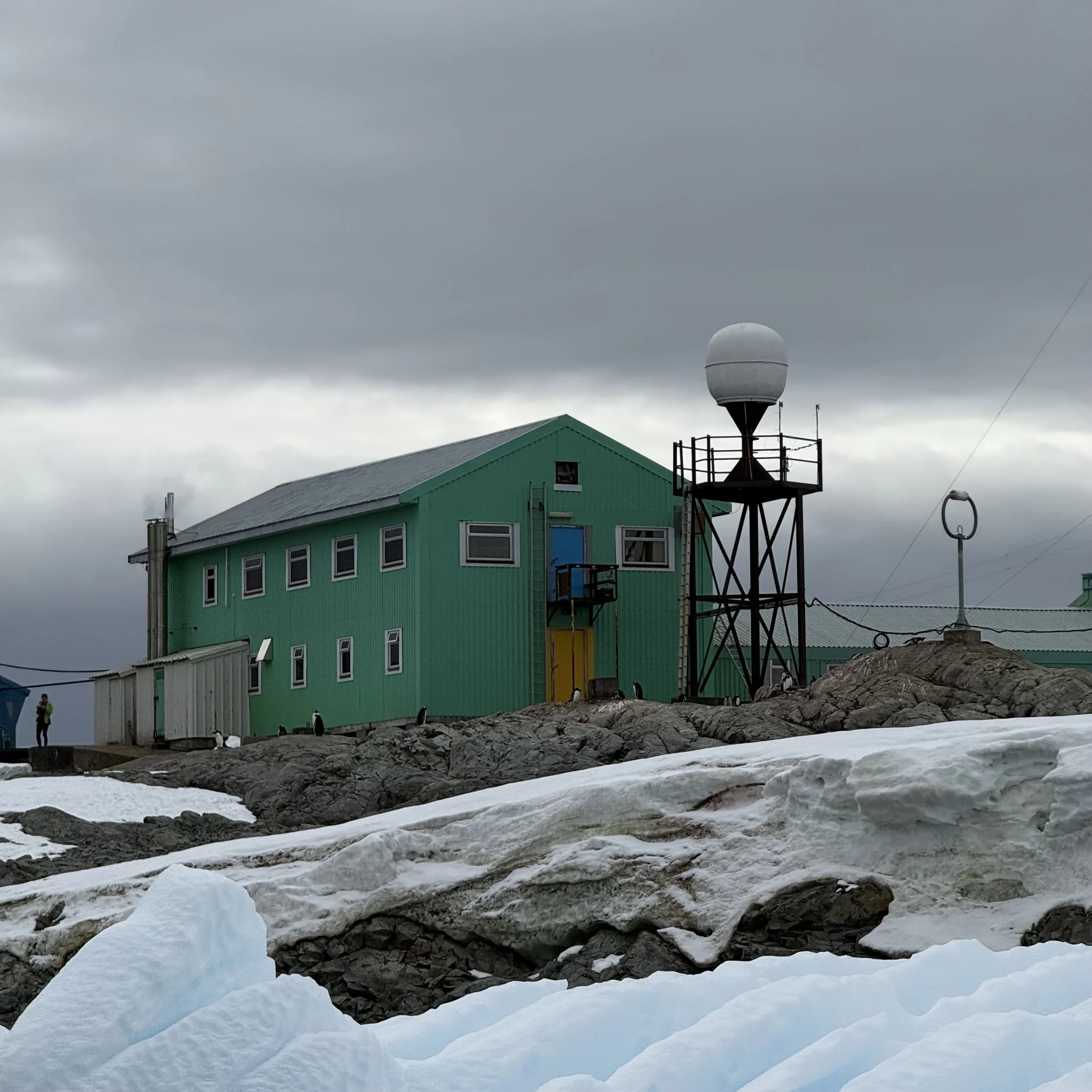
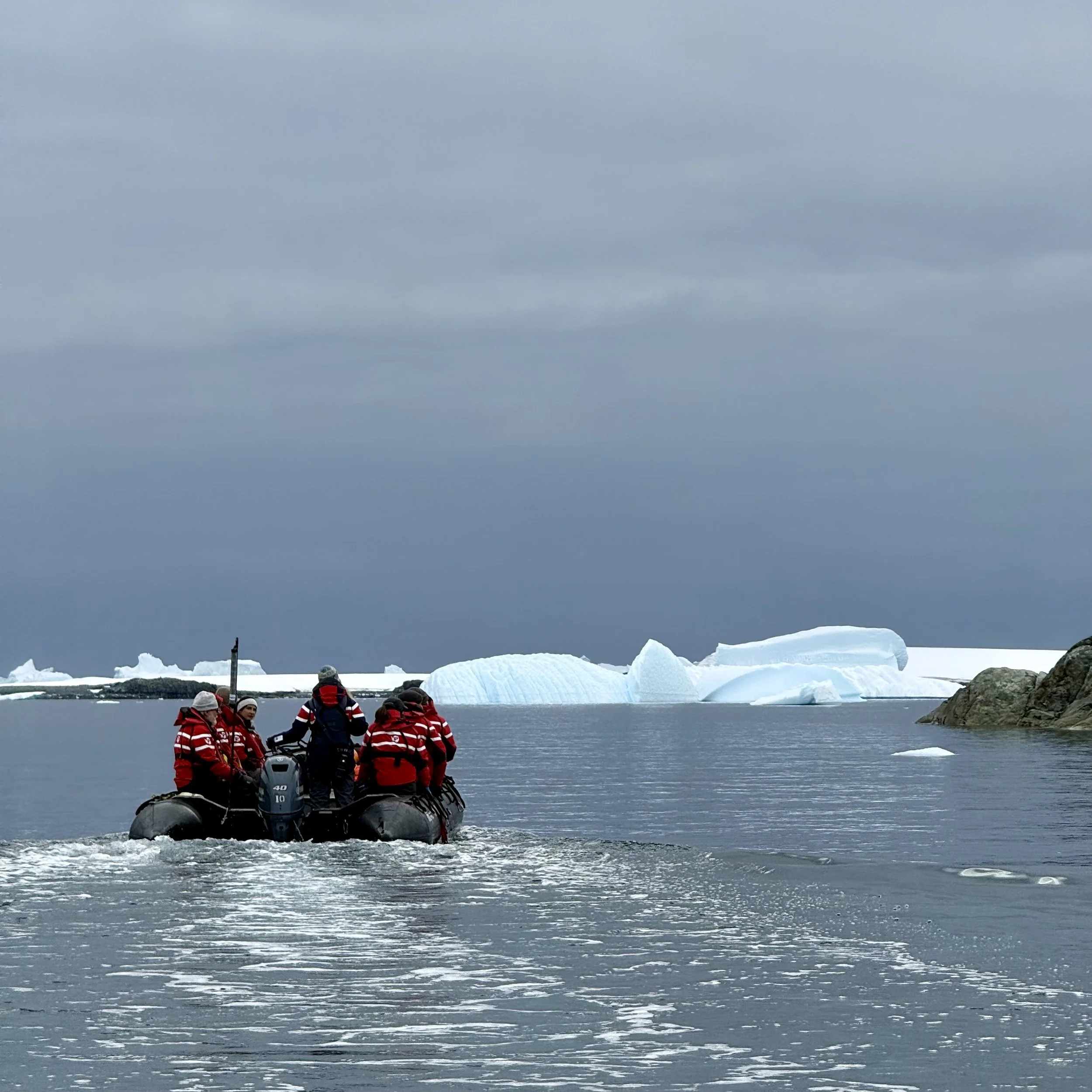
Taken together, Deception Island, Wordie House, and Vernadsky Station illustrate successive phases of human activity in Antarctica: industrial exploitation, permanent occupation, and international scientific cooperation. Let’s hope this persists, given the Treaty has no formal expiry.
Learn more at the Secretariat of the Antarctic Treaty.
